
Last updated November 2, 2026
 Wrought iron
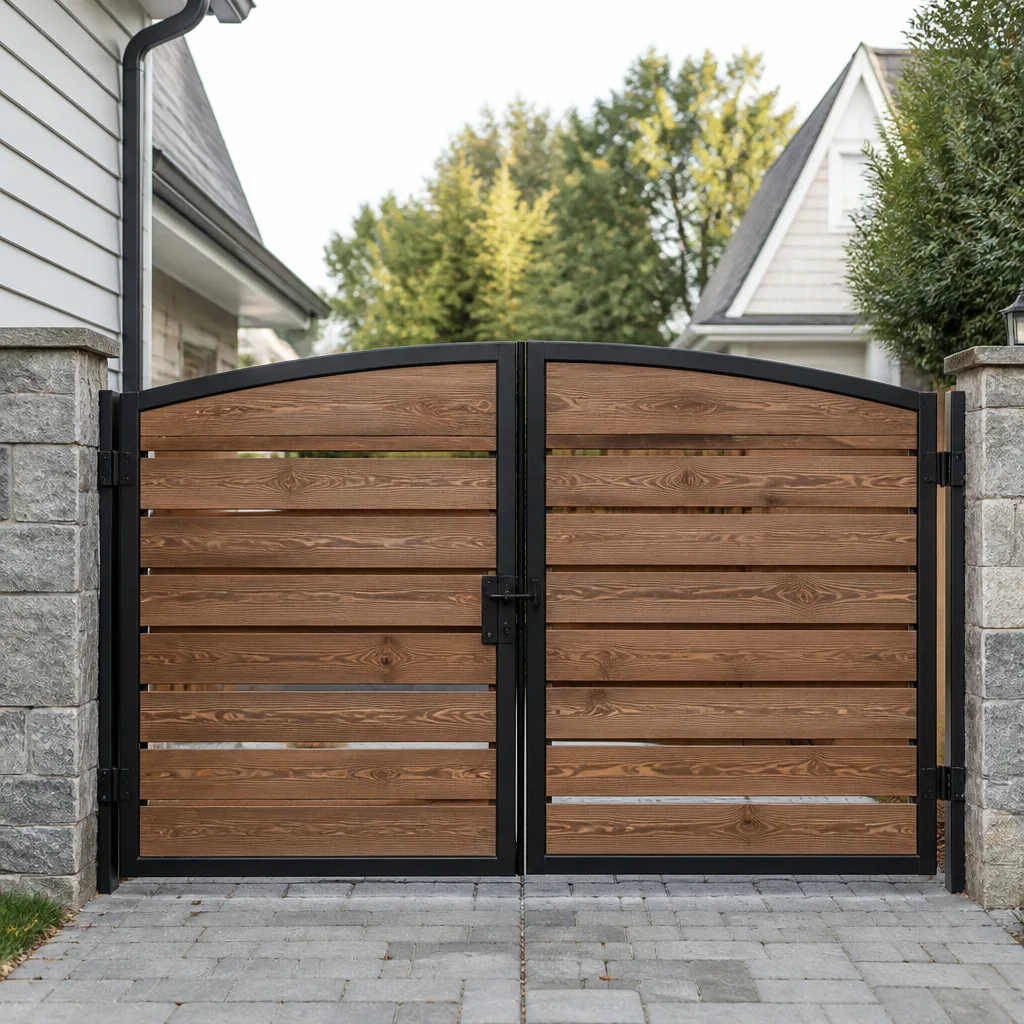 Wood & steel frame
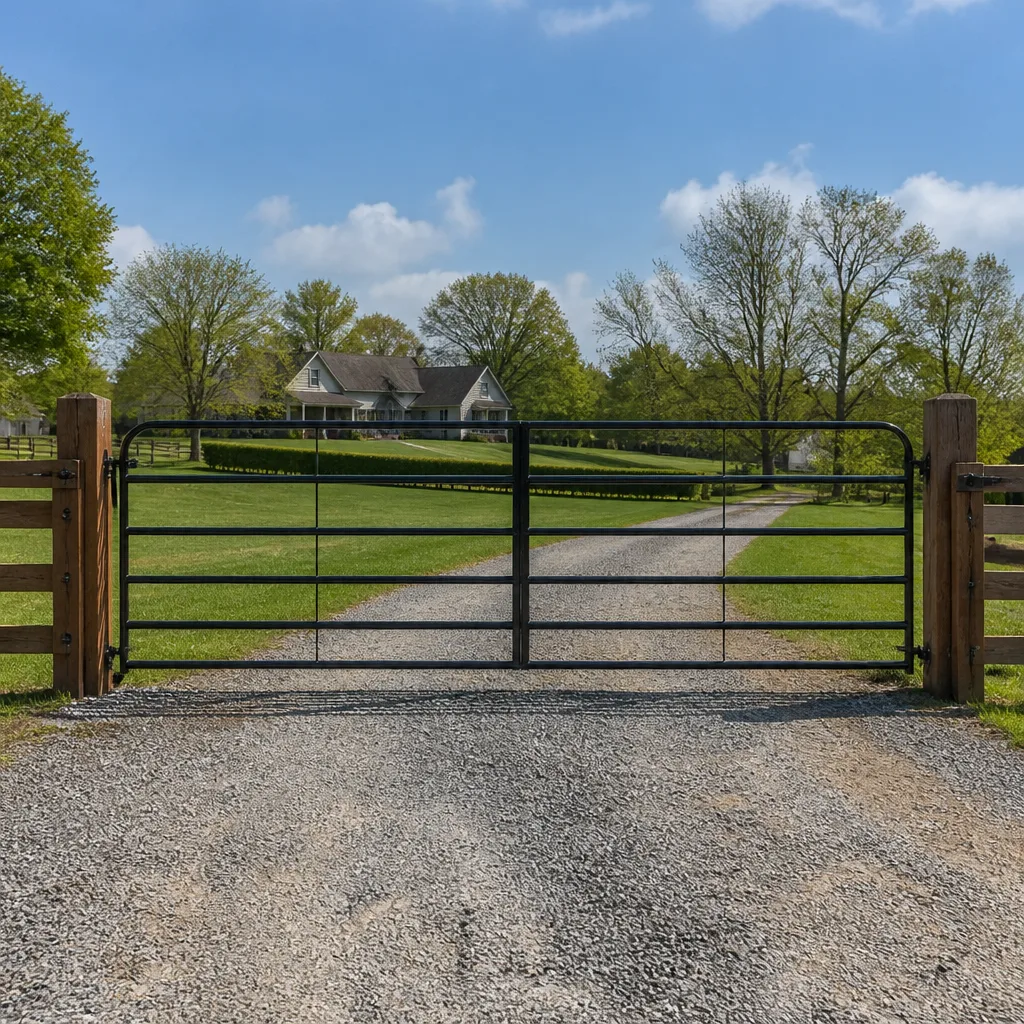 Farm & ranch
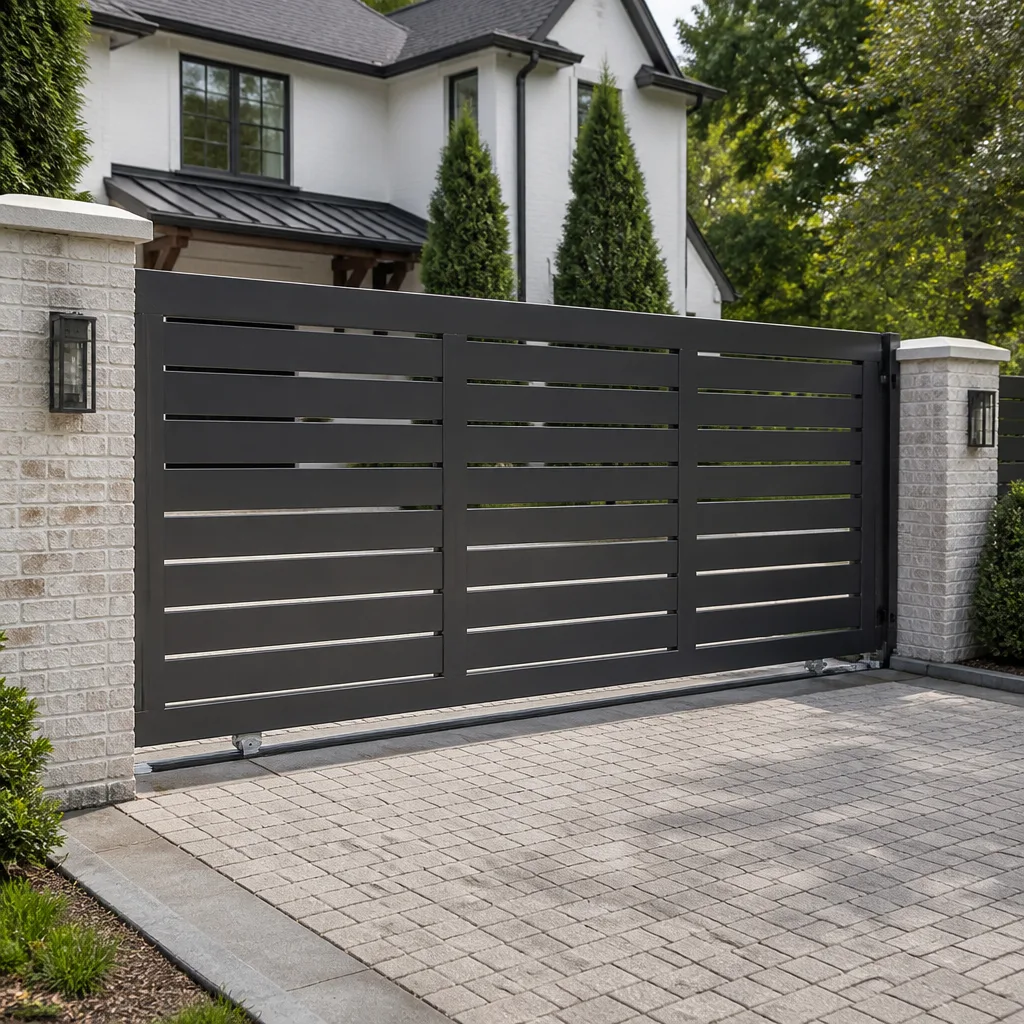 Sliding driveway gates
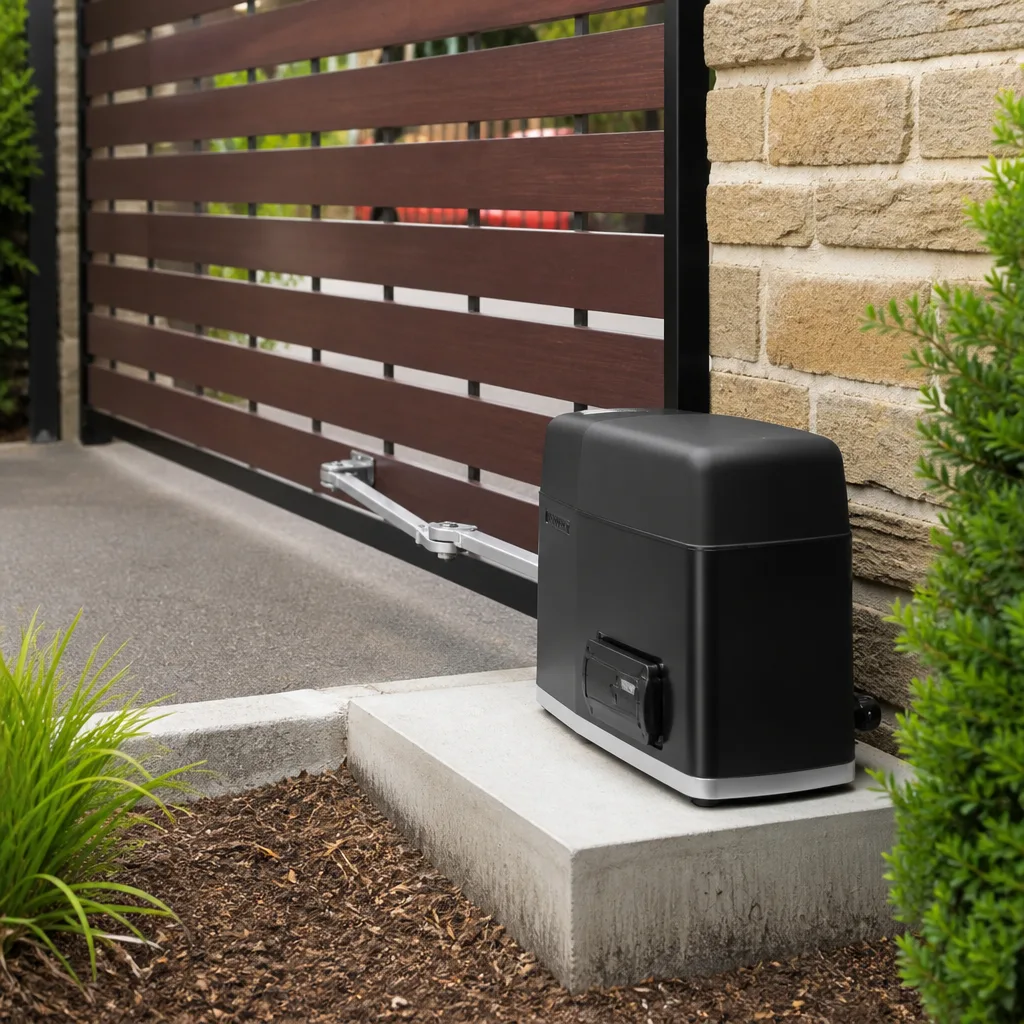 LiftMaster operators
Free on-site gate assessment - hinges, posts, and your LiftMaster or Nice gate operator checked before anything is quoted
The assessment is free and the quote is the invoice.
Get your free estimateSeasonal Gate Repair Care for Hemet: Year-Round Homeowner’s Guide
Hemet’s Santa Ana wind events in fall generate debris impact and pressure stress on gate panels that most residential gates aren’t rated for – and the damage from those events typically doesn’t show up as a failure until the following spring. That deferred failure pattern is why we see a spike in gate repair calls in Hemet every March and April, long after the winds have stopped. This guide maps gate maintenance to Hemet’s actual climate calendar: a heat season that cooks electronics, a wind season that stresses mechanical components, and a brief wet season that attacks footings and hardware. You’ll get a month-by-month task index, brand-specific maintenance notes, and the warning signs that separate a $150 adjustment from a $1,800 operator replacement.
Styles & brands we work with
- Wrought iron
- Wood & steel frame
- Farm & ranch
- Sliding driveway gates
- LiftMaster operators
Quick Answer
Seasonal gate care in Hemet means running three maintenance cycles tied to local climate patterns, not the generic four-season model: pre-summer heat prep in May, post-Santa-Ana mechanical checks from November through January, and drainage and hardware inspection during the December – February wet season. The highest-ROI tasks are testing battery capacity before June, clearing track channels after wind events, and verifying post-footing drainage before winter rains arrive. A consistent seasonal routine typically prevents 70 – 80% of the common failures we see on LiftMaster, FAAC, BFT, and Linear systems across Hemet, which is why our Gate Repair team emphasizes proactive maintenance.
Table of Contents
- Why Hemet’s Climate Demands a Different Gate Maintenance Calendar
- Heat Season Prep (May – June): Batteries, Boards, and Lubricants
- Santa Ana Season (October – December): Wind Stress and Debris Damage
- Wet Season (December – February): Drainage, Rust, and Footing Checks
- Thermal Expansion and Limit Switch Drift: The Spring Problem
- Brand-Specific Maintenance: LiftMaster, FAAC, BFT, and Linear
- Month-by-Month Task Index for Hemet Homeowners
- Common Mistakes to Avoid
- When to Call a Professional
- Frequently Asked Questions
- The Bottom Line
Why Hemet’s Climate Demands a Different Gate Maintenance Calendar
Most gate care guides you’ll find online follow a spring-summer-fall-winter template written for places with snow, freezing temperatures, and distinct seasonal transitions. Hemet doesn’t work that way. We have a hot-summer Mediterranean climate with three real stress periods: a sustained heat season from June through September where daytime highs regularly exceed 95°F and occasionally push past 110°F, a Santa Ana wind season from October through December with gusts that can reach 50 – 70 mph in exposed areas like the foothills east of Hemet, and a short but concentrated wet season from December through February that delivers most of the valley’s annual rainfall in a handful of storm events.
What this means for your gate: heat kills electronics and degrades lubricants, wind kills mechanical alignment and loads panels with debris, and rain saturates the soil around post footings and accelerates corrosion on exposed hardware. Each stress period leaves behind damage that shows up later. A control board that overheated in August might fail completely in November when the first cold snap contracts the solder joints. A gate that took repeated wind gusts in October might not sag visibly until February when the ground softens and the post shifts. Understanding this delay between cause and failure is the core of effective seasonal gate care in Hemet.
Key Takeaways
- Hemet’s gate maintenance calendar runs on three seasons: heat (June – September), wind (October – December), and wet (December – February).
- Damage from one season often doesn’t become a visible failure until the next season.
- Spring (March – May) is when most deferred failures surface, making it the busiest repair period for gate repair in Hemet.
- Preventive maintenance scheduled before each stress season is cheaper than reactive repair after it.
Heat Season Prep (May – June): Batteries, Boards, and Lubricants
By the time June temperatures in Hemet are regularly hitting 95°F, the inside of a gate operator housing can reach 130°F or higher. That kind of sustained heat does three things: it accelerates battery degradation, it stresses solder joints and capacitors on control boards, and it thins out standard lubricants to the point where they run off hinge pins and slide tracks. The prep window is May, before the heat arrives in full force.
Here’s the sequence we recommend for any automated gate system in Hemet, whether it’s a residential swing gate or a light-commercial slide operator (see our The Complete Gate Repair Guide for Hemet Homeowners for deeper detail):
- Test battery capacity under load. A backup battery that reads 12.6 volts at rest might drop below 10 volts when the motor draws current. Use a load tester or have a technician perform a capacity test. Batteries older than three years in Hemet’s heat should be replaced preemptively. This is especially critical on systems like the LiftMaster units that rely on battery backup for operation during power outages, which are common during summer fire season.
- Inspect control board ventilation. Check that the operator housing vents are clear of dust, spider webs, and debris. A blocked vent on a FAAC or BFT board enclosure can push internal temperatures high enough to trigger thermal shutdown or cause intermittent failures that are hard to diagnose later.
- Swap to high-temperature lubricant. Standard lithium grease breaks down and runs off at sustained temperatures above 100°F. Switch to a high-temperature synthetic grease rated for 400°F or higher on hinge pins, pivot points, and slide track rollers. Avoid WD-40 for gate maintenance – it’s a solvent, not a lubricant, and it strips existing grease.
- Check limit switch adjustment. Heat expansion in metal gates shifts the physical stop points. After the first sustained heat week, verify that the gate closes fully without slamming and stops without over-travel in both directions.
One thing we’ve seen repeatedly in Hemet: homeowners install a quality operator from a reputable brand and then treat the battery as a set-and-forget component. In our climate, backup batteries are consumables, not fixtures. If your gate operator is more than three years old and you’ve never replaced the batteries, plan on doing it before the first heat wave.
Santa Ana Season (October – December): Wind Stress and Debris Damage
Santa Ana winds in Hemet aren’t a minor weather event. They’re sustained, dry, and gusty, typically arriving from the northeast through the San Gorgonio Pass and intensifying as they funnel through the valley. For gate systems, the damage comes from three directions: direct pressure loading on the gate panel, debris accumulation in track channels and hinge assemblies, and repeated micro-movements that loosen bolts, strain welds, and alter operator clutch settings.
The mechanical issue most homeowners miss is clutch slip adjustment on slide gate operators. When wind pushes against a gate with enough force, the operator’s clutch or torque limiter is designed to slip – that’s a protective feature, not a failure. But after repeated wind events, that clutch setting often doesn’t return to its original position. The result is a gate that reverses unexpectedly or stops mid-travel because the operator thinks it has hit an obstruction. On BFT and Linear slide operators, we regularly see this exact symptom after Santa Ana season.
- Clear track channels and roller paths entirely. Santa Ana winds drive leaves, palm fronds, and fine dust into slide track channels. Even a small accumulation creates rolling resistance that forces the operator motor to work harder, which shortens motor life. Use compressed air and a stiff brush – not water – to clear the channels.
- Inspect panel reinforcement points. Walk the gate panel and check every bolt, bracket, and weld point where reinforcement members attach to the gate frame. Wind stress concentrates at these connection points. Loose bolts cause rattling and progressive wear; cracked welds need attention before the panel loses structural integrity.
- Verify operator clutch and torque settings. After the first significant wind event, do a manual obstruction test: apply firm hand pressure to the gate while it’s moving. If it reverses too easily, the clutch has loosened and needs adjustment. If it doesn’t reverse at all, the clutch is too tight and the gate won’t stop if it hits a person or vehicle.
- Check hinge pins and pivot bearings for lateral play. Wind loading pushes swing gates sideways, which accelerates wear on hinge pins. Grab the gate at the far end and try to rock it laterally. More than a quarter-inch of movement means the hinge assembly needs attention.
The deferred damage pattern here is real: a gate that took fifty gusts in October might not show any visible problem until March, when the accumulated wear finally lets the gate sag or the operator start tripping its safety sensors. Doing the post-wind inspection in November and December catches these issues when they’re still cheap to fix.
Wet Season (December – February): Drainage, Rust, and Footing Checks
Hemet’s annual rainfall is modest – typically 12 – 14 inches – but it arrives in concentrated bursts. A single December storm can drop two or three inches in a day, saturating soil that’s been dry for months. The gate components most vulnerable during this period are post footings, embedded hardware, and any unpainted or scratched metal surfaces.
The biggest issue we see after wet winters in Hemet is post movement caused by inadequate drainage around the footing. When water pools around a gate post, the soil expands and softens, allowing the post to shift slightly. A post that moves a quarter-inch changes the gate’s swing arc or slide path enough to cause binding, limit switch errors, and increased wear on the operator. The fix isn’t usually a new post – it’s regrading the area so water runs away from the footing, or installing a drainage channel if the gate sits in a low spot.
Wet Season Inspection Checklist
- Check drainage slope around both gate posts and all support posts. Soil should slope away from the footing, not toward it. After a rain event, look for standing water within three feet of any post. This is the most common preventable cause of post shift in Hemet.
- Inspect exposed hardware for rust. Pay attention to hinge pins, bolt heads, brackets, and any areas where the paint or powder coat has chipped. Rust on hardware accelerates quickly during the wet season. Wire-brush and treat affected areas, then apply a rust-inhibiting coating.
- Check the operator housing seal. Rain driven by Santa Ana-adjacent winds can find its way into operator enclosures. Check that the housing gasket is intact and that no water is pooling inside the cover. On FAAC and LiftMaster operators, a failed gasket leads to control board corrosion that can take months to become visible as an intermittent failure.
- Lubricate after the rain, not before. Applying lubricant before a storm means it gets washed off. Apply it after the storm, when hinges and tracks are clean and dry.
- Test the photo-eye sensors. Wet season overcast conditions and rain residue on sensor lenses are a common cause of false obstruction signals. Clean the lenses with a dry cloth and verify alignment.
If you’re dealing with a slide gate, check that the track channel has proper drainage. Slide gates in Hemet are often installed with the track slightly below grade, which makes them catch basins for storm runoff. A track that fills with mud and debris during the wet season creates immediate rolling resistance and long-term corrosion problems.
Thermal Expansion and Limit Switch Drift: The Spring Problem
Spring in Hemet brings the widest daily temperature swings of the year. It’s not unusual for a March day to start at 40°F and hit 85°F by mid-afternoon – a 45-degree swing, and occasionally more. For a steel or aluminum gate that’s 12 to 16 feet long, that temperature variation translates to measurable thermal expansion and contraction. On a 16-foot steel gate, a 45°F swing changes the overall length by roughly a quarter-inch.
That doesn’t sound like much, but it’s enough to cause limit switch drift. The limit switches on your gate operator tell the motor exactly where to stop in both directions. When the gate’s physical dimensions shift with temperature, those stop points move. The symptom is a gate that doesn’t close fully on cold mornings or over-travels on hot afternoons. Homeowners often describe it as, “the gate worked fine last week, now it doesn’t close all the way.”
Aluminum gates are more affected than steel because aluminum has roughly twice the thermal expansion coefficient. If your gate is aluminum and you’re seeing seasonal limit switch issues that seem to come and go, thermal expansion is the likely culprit. The fix is a limit switch adjustment performed at a median temperature, plus a check that the operator’s torque settings are appropriate for the gate’s weight class.
This is also the season when deferred Santa Ana damage surfaces. A gate that took wind stress in October and sat through wet soil in January often becomes a visible problem in March or April when the operator starts working harder against a misaligned gate. If you’re scheduling a spring electric gate repair in Hemet, expect the technician to check post alignment, hinge wear, and limit switch calibration as part of the diagnosis.
Brand-Specific Maintenance: LiftMaster, FAAC, BFT, and Linear
Different gate operator brands have different maintenance personalities. Generic advice tells you to “keep it clean and lubricated,” but that misses the specific failure modes each brand tends toward, especially in Hemet’s climate. Here’s what we pay attention to on each system:
LiftMaster
LiftMaster residential and light-commercial operators are common in Hemet because they’re widely available and parts are easy to source. The weak point in our climate is the battery backup system. LiftMaster units designed for gate applications typically run on 12V or 24V battery banks that degrade faster in sustained heat. If your LiftMaster operator is more than three years old, have the battery tested before summer. The control boards are generally robust, but they’re sensitive to power surges, which are common in Hemet during summer monsoon-adjacent lightning events and fire-season power grid instability. A surge protector on the operator circuit is cheap insurance.
FAAC
FAAC hydraulic and electromechanical operators are built for higher-cycle applications and tend to show up on heavier swing gates and light-commercial installations in Hemet. The brand-specific maintenance item here is hydraulic fluid level and condition on FAAC hydraulic models. Heat thins the fluid, and over time it loses viscosity and picks up moisture. A FAAC operator with degraded hydraulic fluid runs slower, overheats more easily, and eventually loses holding force. Check fluid level annually and replace it according to the manufacturer’s interval, which for most Hemet installations should be shortened from the default schedule because of heat exposure.
BFT
BFT operators are common on slide gates and are generally reliable, but they have a known tendency toward limit switch drift after significant temperature swings. The spring thermal expansion issue described above is especially prevalent on BFT slide gate installations. If you have a BFT operator on a slide gate in Hemet and you’re seeing seasonal close-limit issues, start with a limit switch recalibration. Also check the encoder wheel if your model uses one – dust accumulation from Santa Ana winds can cause the encoder to misread position.
Linear
Linear operators tend to be workhorses, but their clutch assemblies are more sensitive to wind stress than some other brands. After Santa Ana season, a Linear slide gate operator may need clutch re-tensioning. The symptom is a gate that reverses before fully closing, or one that stops partway through its travel. The other Linear-specific item is the remote receiver range. If your remotes work from a shorter distance than they used to, and the problem intensified after rain, check the antenna placement and condition. Corrosion on the antenna connection is a known issue in humid conditions.
The broader point: we work on these systems specifically, and that matters because a technician who’s only seen generic universal components will misdiagnose brand-specific failures. A BFT limit switch problem looks different from a Linear clutch problem, and the fixes are different too.
Month-by-Month Task Index for Hemet Homeowners
This index condenses everything above into a month-by-month schedule tied to Hemet’s actual climate patterns. If you do nothing else, complete the highlighted tasks in May, November, and January – those are the three highest-impact maintenance windows.
January
- Check post-footing drainage after December rains; regrade if water pools near posts.
- Inspect hardware for rust and treat affected areas.
- Clean photo-eye sensor lenses and verify alignment.
- Test the gate through a full open-close cycle after each significant storm.
February
- Lubricate hinge pins, pivot points, and slide track rollers after the rain season’s last heavy storm.
- Check the operator housing for moisture intrusion.
- Begin watching for limit switch drift as temperature swings widen.
- Schedule any deferred repairs before spring demand peaks.
March
- Perform a close-limit test: does the gate close fully on cold mornings and hot afternoons?
- Inspect gate frame and welds for deferred Santa Ana damage.
- Check gate post alignment with a level; winter soil saturation is the leading cause of post shift.
- Test safety sensors and obstruction reversal function.
April
- Schedule any needed limit switch recalibration before heat arrives.
- Inspect slide gate track for wear patterns that indicate misalignment.
- Check chain or belt tension on slide operators.
- Verify that the operator’s manual release mechanism works smoothly.
May
- Priority: Battery capacity test – replace batteries that fail a load test.
- Priority: Control board ventilation check – clear all vents and check the housing seal.
- Priority: High-temperature lubricant swap on all hinge points and tracks.
- Install a surge protector on the operator circuit if one isn’t already in place.
June
- Monitor operator temperature during the first 100°F+ week; a housing that’s too hot to touch for more than a few seconds is a warning sign.
- Check that the gate closes completely during afternoon heat.
- Verify backup battery holds charge after a brief power interruption.
July – August
- Minimal intervention months – the system should be running in its summer configuration.
- If the gate starts behaving erratically during heat waves, note the symptoms and call before they compound.
- Keep track channels clear of dust buildup, which accumulates faster in dry summer conditions.
September
- Begin Santa Ana preparation: clear debris from around the gate’s swing arc or slide path.
- Tighten all visible bolts and brackets on the gate panel.
- Check that the gate’s physical stops are secure.
- Test the operator’s obstruction reversal sensitivity.
October
- Priority: First Santa Ana event triggers a full mechanical inspection.
- Clear track channels within 48 hours after each wind event.
- Check clutch or torque limiter setting on slide operators.
- Inspect hinge pins for lateral play after wind loading.
November
- Priority: Post-wind-season mechanical check – panel reinforcement points, weld inspection, and operator clutch verification.
- Clean and lubricate after the last significant wind event before rain arrives.
- Check operator housing seal before the wet season.
- Verify drainage paths are clear of leaves and debris.
December
- First storm triggers a full drainage inspection.
- Check for standing water near posts within 24 hours after rain.
- Inspect track channel for mud accumulation if the gate sits below grade.
- Test the gate through a complete cycle after each storm.
Common Mistakes to Avoid
- Skipping the post-Santa-Ana inspection. Wind damage is invisible until it isn’t. A November inspection takes 45 minutes and catches the loose bolts and clutch drift that become March breakdowns.
- Using WD-40 as a gate lubricant. It’s a solvent that strips existing grease. Use a purpose-made high-temperature lithium or synthetic grease on hinge pins and tracks.
- Ignoring battery maintenance until the power goes out. In Hemet, power outages are common during summer fire season. A backup battery that hasn’t been tested in three years won’t save you when the grid drops.
- Waiting for visible sag before addressing post drainage. By the time the gate visibly sags, the post has already moved. Fix drainage before the soil saturates, not after.
- Adjusting limit switches without addressing thermal expansion. If you recalibrate during a heat wave, the settings will be wrong on the next cold morning. Make limit switch adjustments at a median temperature, or let a technician do it during a neutral weather window.
- Treating all gate operators as interchangeable. A FAAC hydraulic unit needs fluid checks; a Linear slide operator needs clutch verification after wind. Generic maintenance misses both.
- DIY-ing control board repairs. Gate control boards carry line voltage in some configurations and are sensitive to static discharge. Attempting a board-level fix without the right tools can make a $200 repair into an $800 replacement.
When to Call a Professional
Some seasonal gate issues are straightforward homeowner maintenance – clearing debris, checking drainage, testing remotes. Others need a technician with brand-specific diagnostic knowledge. Call a professional if: your gate operator trips its breaker repeatedly, the gate reverses direction for no apparent reason, you hear grinding or screeching from the motor housing, the gate moves slower than it used to, or you’ve adjusted the limit switches twice and the problem keeps returning. These symptoms indicate issues at the component level – control boards, motor windings, or clutch assemblies – that benefit from diagnostic equipment and brand-specific parts knowledge. For a new gate installation in Hemet, a professional assessment ensures the operator is sized correctly for the gate’s weight and wind exposure. Gate Repair Hemet offers free estimates in Hemet – call (866) 321-6910.
Frequently Asked Questions
Lubricate hinge pins, pivot points, and slide track rollers three times per year in Hemet: once in late May with high-temperature grease before heat season, once in November after the last Santa Ana wind event clears debris, and once in late February after the wet season ends. Avoid lubricating immediately before rain, since the lubricant will wash off before it bonds to the surface.
That pattern is typically thermal expansion causing limit switch drift. The gate physically lengthens by a quarter-inch or more during Hemet’s hot afternoons, which changes the stop point detected by the limit switches. It’s most common on aluminum gates and in spring, when daily temperature swings are widest. A limit switch recalibration at a median temperature usually resolves it.
Yes, primarily through clutch slip and mechanical wear rather than direct breakage. Repeated wind pressure causes the operator’s torque limiter or clutch to slip as designed, but the setting often doesn’t return to its original position. The result is a gate that reverses mid-travel or stops before fully closing. Wind also drives debris into track channels, increasing rolling resistance and motor load.
Expect 2 – 4 years from a backup battery in Hemet’s climate. Sustained summer heat degrades battery chemistry faster than the manufacturer’s default lifespan estimates, which are typically based on moderate climates. Test batteries annually in May, and replace them proactively if they’re older than three years regardless of apparent condition.
Control board replacement is a component-level repair that requires matching the board to your specific operator model and brand, plus careful handling to avoid static discharge damage. Some boards carry line voltage traces even when the operator is unplugged. If you’re experienced with electrical work and have the correct replacement part, it’s possible – but for electric gate repair in Hemet, we recommend a professional diagnosis to confirm the board is actually the problem before you spend money on the part.
A preventive maintenance visit in Hemet typically runs $85 – $150 depending on the gate type and brand, with parts like batteries and lubricants additional. That’s significantly less than the cost of an emergency operator replacement, which can run $600 – $2,500 depending on the system. Call (866) 321-6910 for an exact quote – estimates are free, and the price is quoted and agreed before any work starts.
The Bottom Line
Your gate in Hemet faces three distinct stress seasons, and each one leaves behind damage that shows up later. Heat kills batteries and thins lubricants. Santa Ana winds loosen mechanical settings and load panels with debris. Winter rain saturates soil and shifts posts. The maintenance calendar that actually works here is built around those patterns: battery testing and lubricant swaps in May, clutch and track checks in November, drainage inspection in January. Three focused maintenance sessions per year will prevent most of the failures we see on LiftMaster, FAAC, BFT, and Linear systems across Hemet. The alternative is waiting for a breakdown that always seems to happen at the worst possible time – and then paying emergency repair rates for a problem that a $100 maintenance visit would have caught.
Written by the team at Gate Repair Hemet, serving Hemet since 2012. For more guides & resources, visit our blog.
See the difference
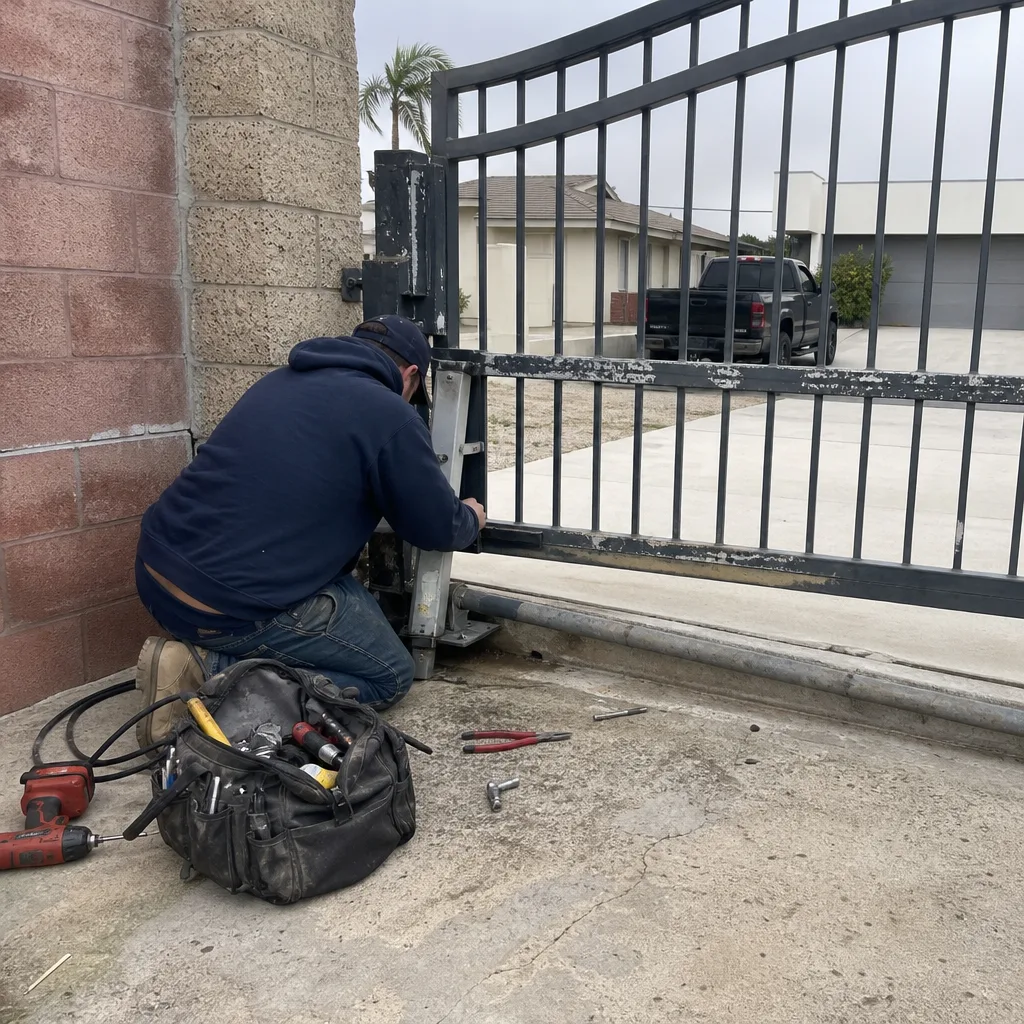 Before
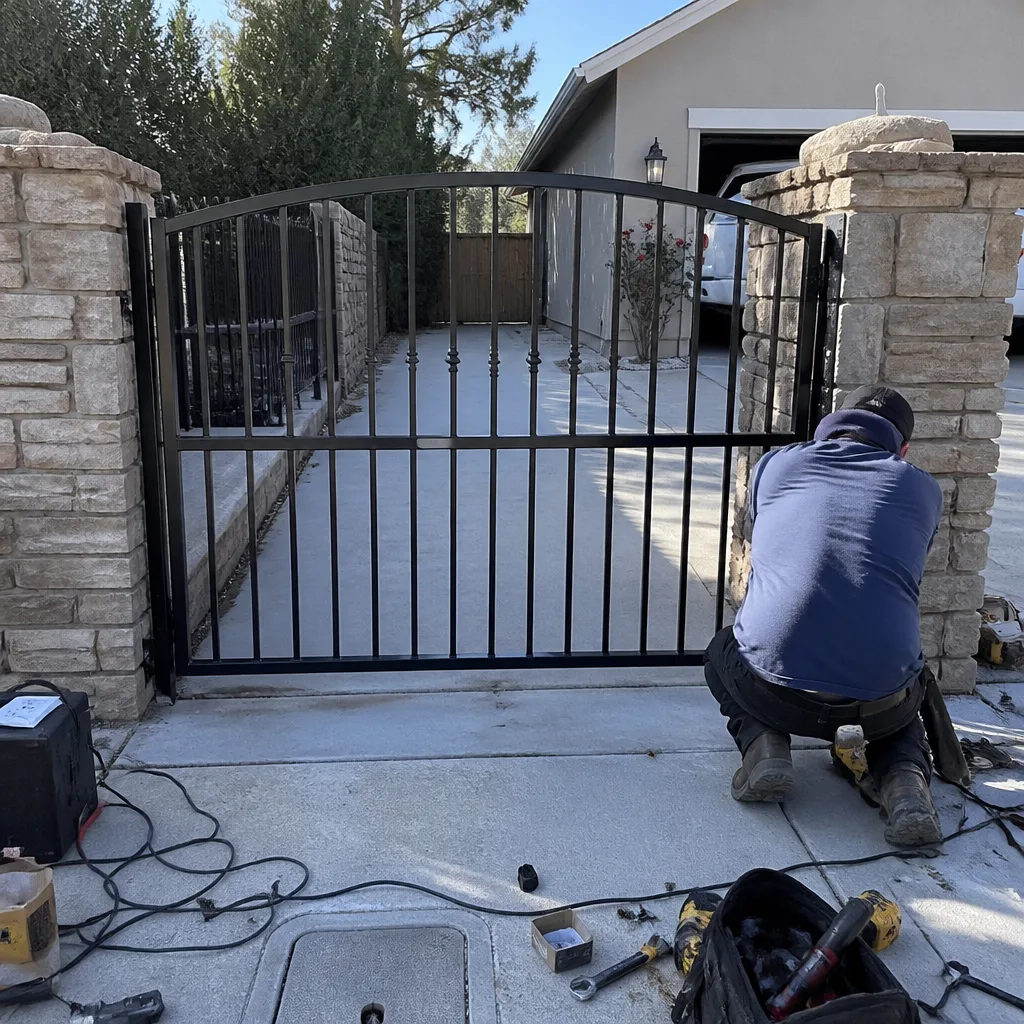 After
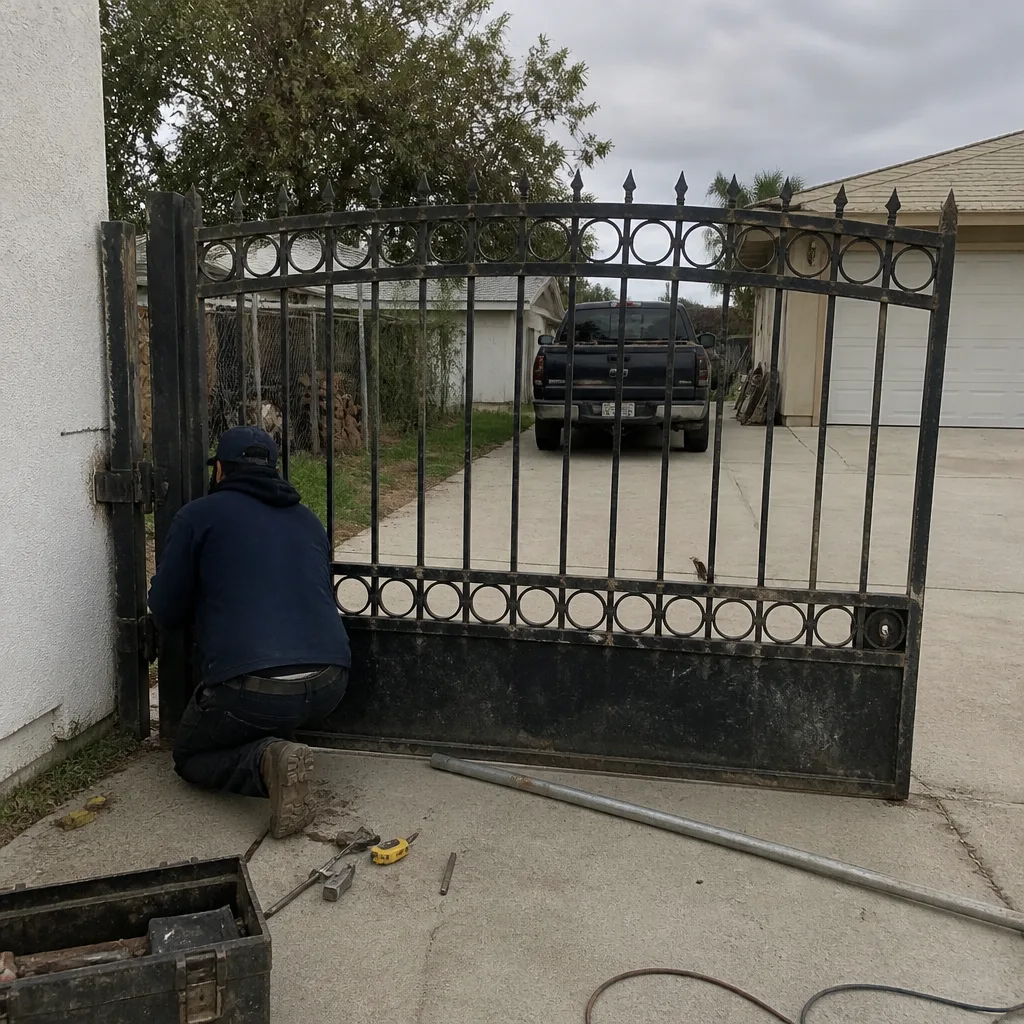 Before
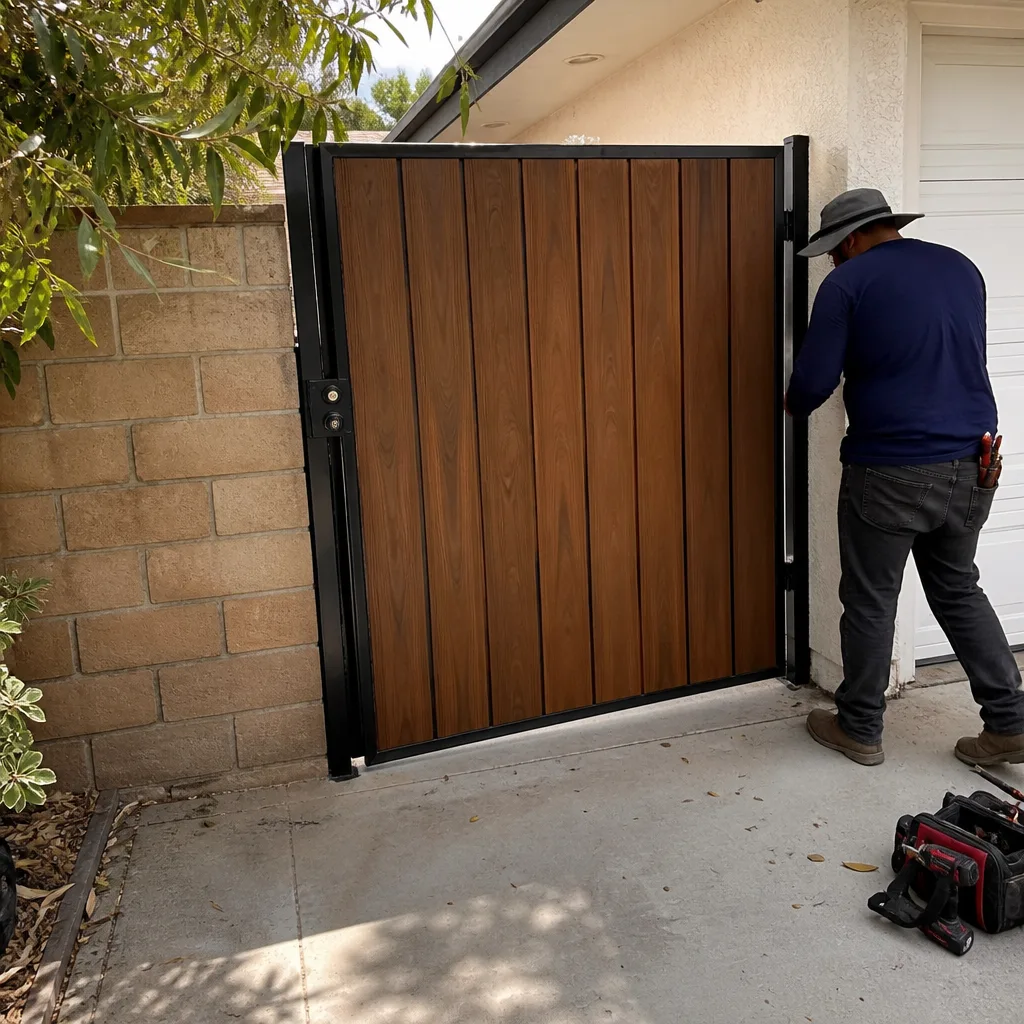 After
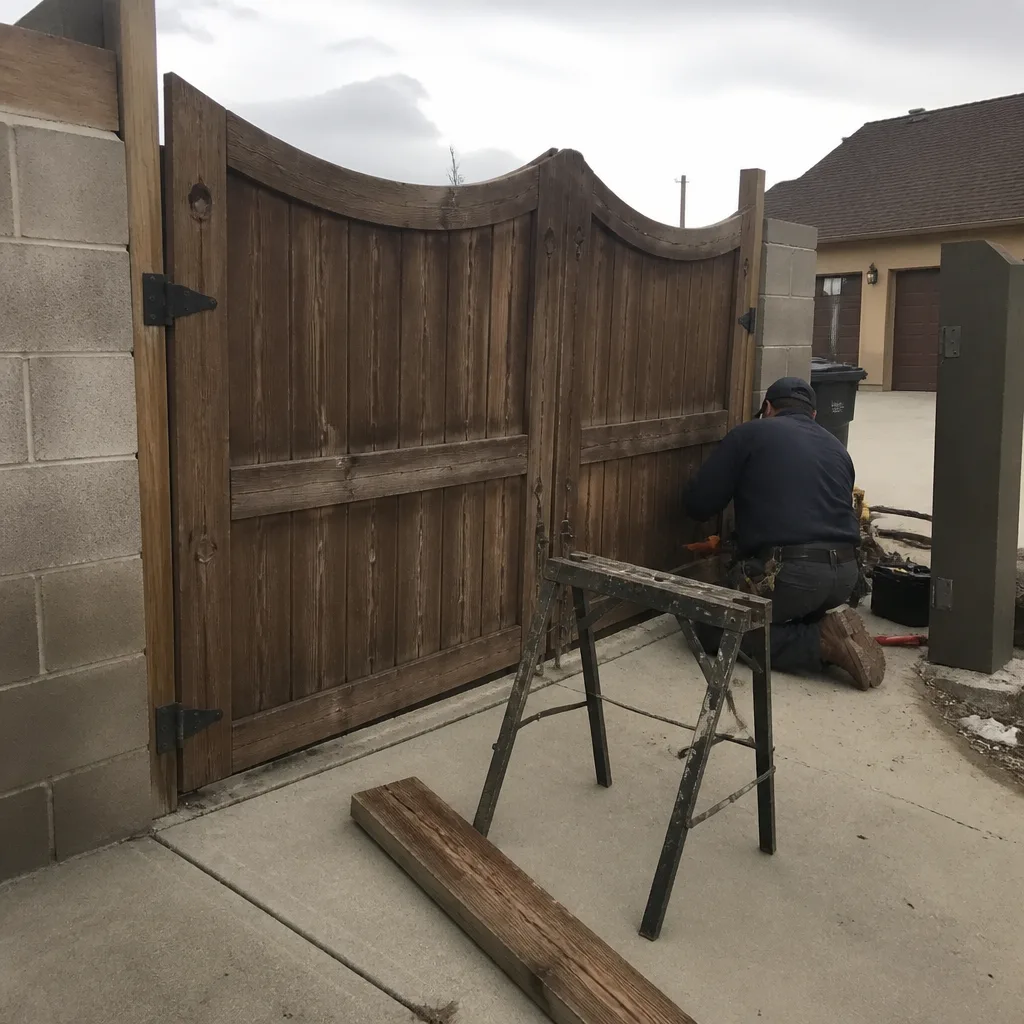 Before
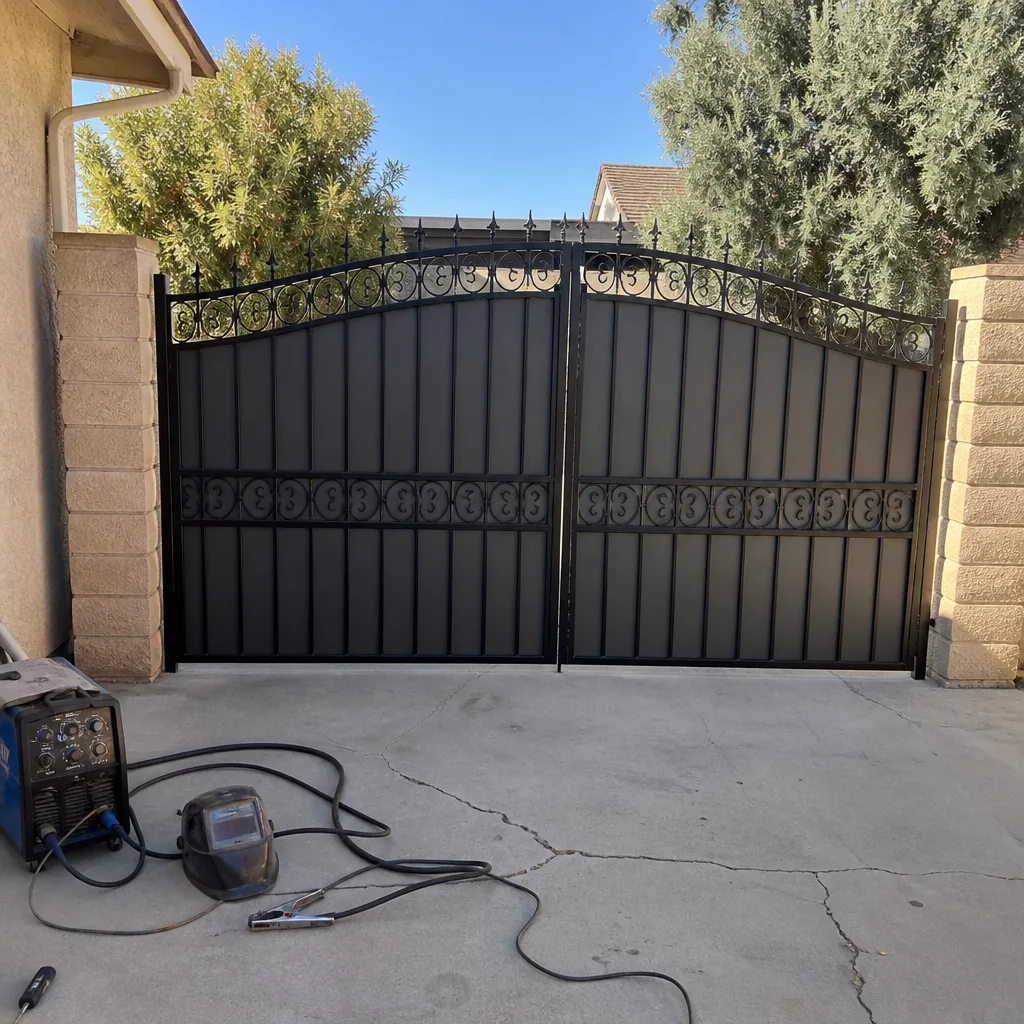 After