
Last updated November 2, 2026
 Wrought iron
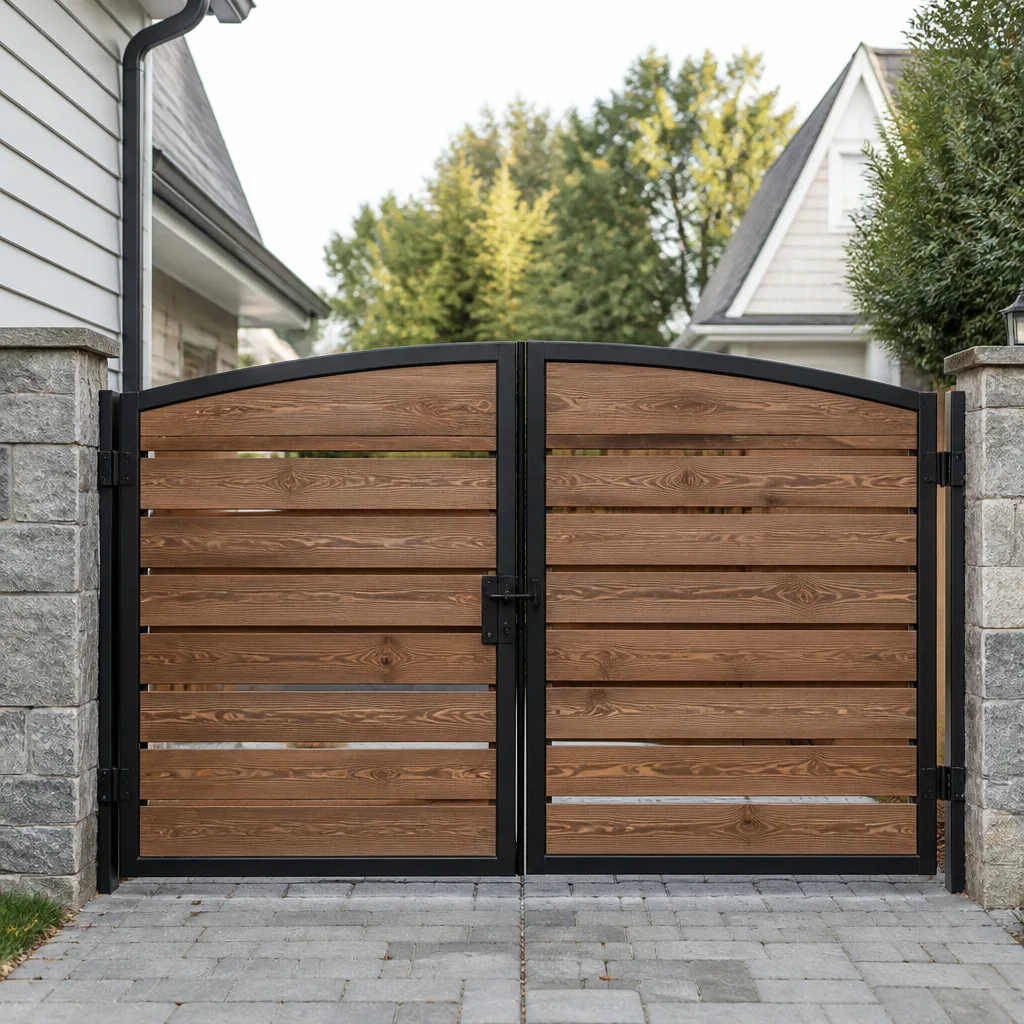 Wood & steel frame
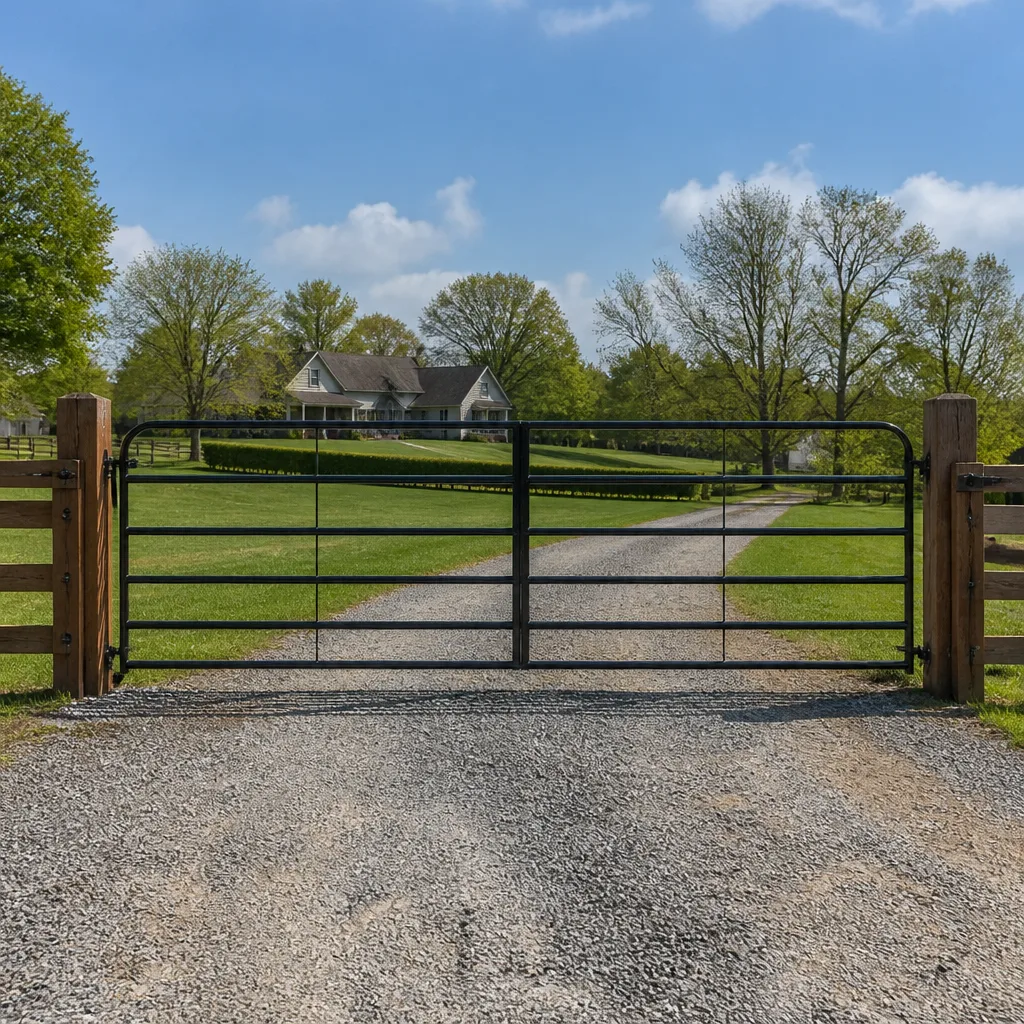 Farm & ranch
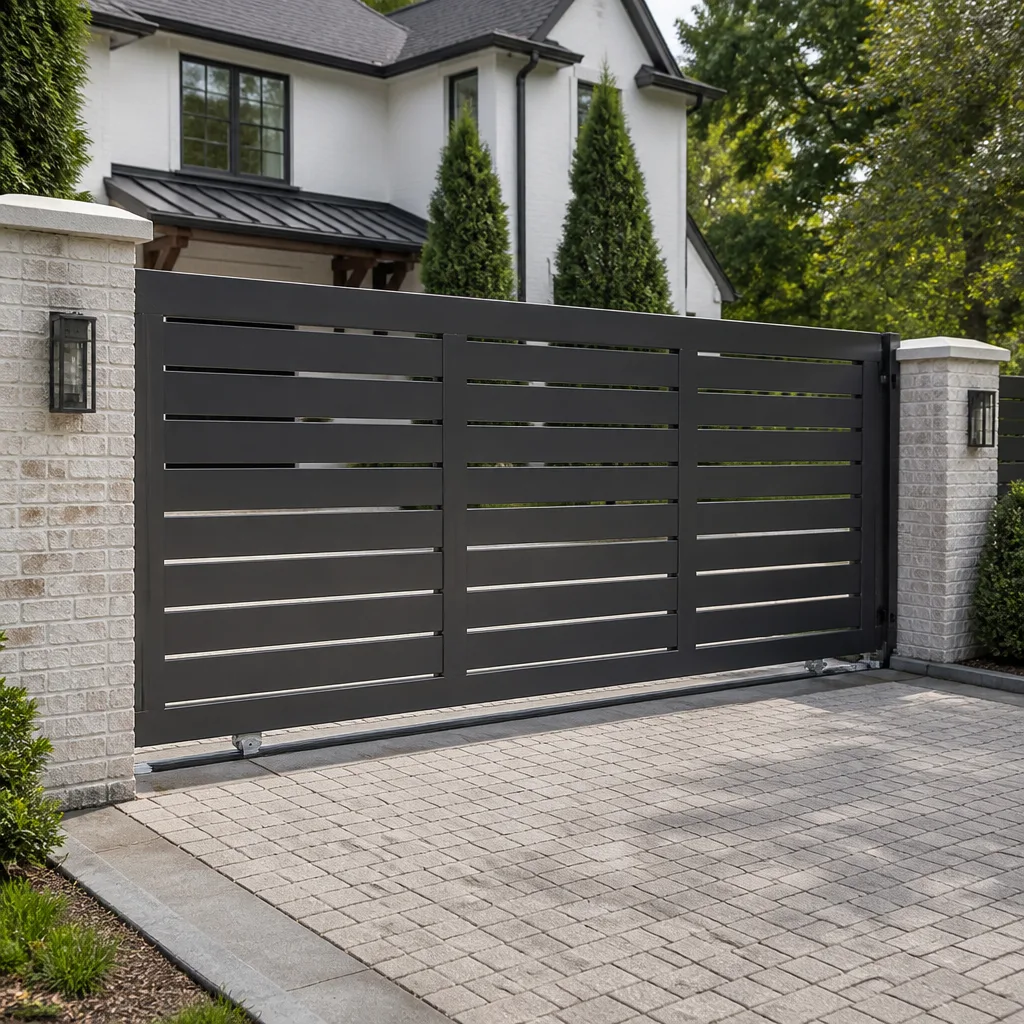 Sliding driveway gates
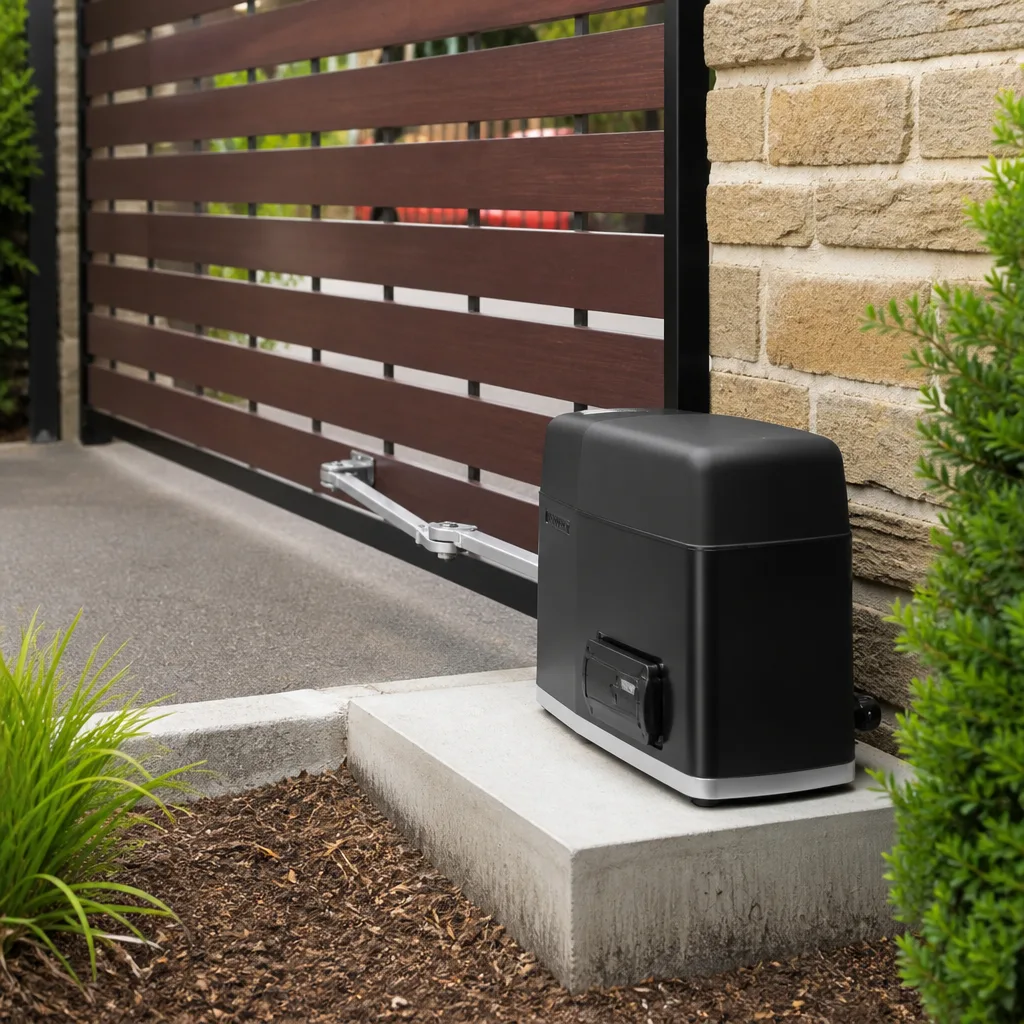 LiftMaster operators
Free on-site gate assessment - hinges, posts, and your LiftMaster or Nice gate operator checked before anything is quoted
The assessment is free and the quote is the invoice.
Get your free estimateDIY vs Professional Gate Repair: The Hemet Homeowner’s Decision Guide
Here’s a number most Hemet homeowners never hear: roughly 70% of the gate repair calls we take in Hemet involve a system where someone already tried a fix first. The hinge that got lubed but still sags. The opener that got reset but still trips its breaker. The chain that got tightened but now grinds. This guide walks through exactly where DIY gate work makes sense in Hemet, where it backfires, and how to tell which side of that line your gate is on before you spend a Saturday on it. We’ll cover the mechanical versus electrical split, the exact warranty language that voids coverage, the cost comparison between doing it yourself and hiring a gate specialist, and the Hemet-specific factors that change the calculus.
Quick Answer
DIY gate repair in Hemet is generally safe and sensible for mechanical tasks like hinge replacement, roller cleaning, manual latch adjustment, and chain tensioning on a manual gate. Electrical work on automated gate operators – control boards, motor wiring, loop detectors, safety sensors – should be handled by a professional, because the failure risk isn’t just a non-working gate but a locked-out property, a damaged operator, or a safety hazard that violates California code. In short: if the problem is metal-on-metal, you can fix it. If it involves a circuit board or a capacitor, call a gate specialist.
Styles & brands we work with
- Wrought iron
- Wood & steel frame
- Farm & ranch
- Sliding driveway gates
- LiftMaster operators
Table of Contents
- The Split That Decides Everything: Mechanical vs Electrical
- DIY-Friendly Mechanical Tasks: What’s Actually Doable
- Electrical Tasks: Where DIY Stops Being a Weekend Project
- Hemet-Specific Factors That Change the Math
- California Liability and Disclosure: What You Don’t Know Can Cost You
- Warranty Voiding: The Exact Clause Language to Look For
- Cost Comparison: When DIY Saves Real Money vs Creates Bigger Repairs
- Tools Required for Legitimate DIY Gate Work: The Honest List
The Split That Decides Everything: Mechanical vs Electrical
Every gate has two systems living side by side. The mechanical system is the physical hardware: hinges, rollers, chain, track, latch, wheels. The electrical system is everything that automates movement: the operator motor, control board, loop detectors, safety sensors, remote receivers, keypads. The DIY-versus-professional question is not a single question about your gate. It’s two questions, and the answers point in opposite directions.
Mechanical components are mostly visible, mostly steel, and mostly forgiving. You can see a sagging hinge. You can feel a chain that’s too loose. The physical world gives you feedback. Electrical components are different. A control board doesn’t look damaged when a relay fails. A capacitor can hold a charge that bites you long after the power is off. A DoorKing board that lost its programming won’t show a burn mark. The failure is internal, invisible, and expensive to misdiagnose.
This split is the foundation of everything that follows. It’s why we tell Hemet homeowners the same thing every time they call with a half-finished repair: tell us whether the problem is in the steel or in the board, and we can tell you honestly if you should have touched it.
DIY-Friendly Mechanical Tasks: What’s Actually Doable
Here’s the honest list of mechanical gate repairs a competent Hemet homeowner can handle on a Saturday with basic tools. These tasks are repetitive, visible, and recoverable. If you get one wrong, the gate still opens. You just try again.
1. Manual latch adjustment
A latch that doesn’t catch is usually a misalignment issue. Loosen the mounting bolts, reposition the latch plate, tighten. This is 20 minutes of work with a socket set. It’s also the most common manual gate complaint in Hemet, because our summer heat expands metal and shifts alignment over time.
2. Hinge lubrication and tightening
A gate that creaks or sags slightly at the latch post usually needs its hinge bolts tightened and its pins greased. Use a white lithium grease, not WD-40, which washes away. If tightening doesn’t level the gate, stop. A badly sagging hinge means the steel itself has worn or the post has shifted, and that’s a replacement job.
3. Roller cleaning and track clearing
Slide gates on wheels pick up desert dust, leaf litter, and the occasional pebble from Hemet’s decomposed granite yards. Cleaning the track and wiping the rollers is preventive maintenance, not repair. It’s safe, it’s cheap, and it prevents the bigger wear that comes from grinding dirt into bearing surfaces.
4. Chain tension inspection on manual slide gates
A manual slide gate with a chain drive needs consistent tension. If the chain sags more than half an inch at its midpoint, tightening the tensioner is a straightforward adjustment. But here’s the caveat we’ve learned from years of coming behind DIY tension jobs: over-tightening a chain wears out the sprocket teeth fast, and a worn sprocket is a $200 part, not a five-minute fix. Snug, never banjo-string tight.
These four tasks represent the safe zone. They share three traits: you can see what you’re fixing, the cost of a mistake is low, and the repair doesn’t require power.
Electrical Tasks: Where DIY Stops Being a Weekend Project
Now the other side. Electric gate systems in Hemet run on 120V AC power stepped down to low-voltage DC at the control board. That sounds innocuous. It isn’t. The transformer, motor capacitor, and control board all live in the same housing, and the capacitor stores enough charge to knock you off a ladder even when the breaker is off.
Here’s what should automatically send you to a professional:
- Control board diagnosis or replacement. A Viking or Ghost Controls board that won’t respond could mean a dead relay, a corrupted memory, a fried transformer, or a shorted accessory wiring harness. Testing these requires a multimeter, the brand’s wiring schematic, and the experience to know what a normal reading looks like. Guessing is how a $90 fix becomes a $400 board replacement.
- Motor or capacitor replacement. The capacitor in a gate operator stores charge long after power is cut. Discharge it wrong and you take the hit. Install the wrong microfarad rating and the new motor burns out in three months.
- Loop detector and safety sensor work. An underground loop detector that’s wired wrong fails in a way that looks like a dead board. A photo-eye sensor that’s misaligned opens and closes the gate unpredictably. Both require testing equipment and an understanding of how the operator’s logic interprets inputs.
- Any repair involving the electrical service to the gate. Running conduit, pulling new wire, replacing a junction box, adding a dedicated circuit. This is licensed electrician territory in California, and your gate specialist should coordinate the electrical scope or handle it directly if they’re licensed for it.
The common thread here is that none of these failures are visible. You cannot look at a control board and see a corrupted relay. You cannot feel a capacitor’s charge without finding out the hard way. Electrical gate work punishes guessing by escalating the repair cost, and occasionally by putting you in the emergency room.
Hemet-Specific Factors That Change the Math
Hemet has three environmental conditions that make gate repair different here than in coastal cities. First, heat. Summer temperatures in Hemet routinely pass 100 degrees, and that heat does two things: it expands metal, shifting hinge alignment and latch plates, and it degrades plastic components inside control boards faster than the manufacturer’s average lifespan assumes. A Viking operator that might last 12 years in San Diego’s mild climate is often a 8-year unit in Hemet heat.
Second, dust and fine particulates. Hemet sits in the San Jacinto Valley, and the wind carries fine dust from dry lake beds and agricultural land. That dust works its way into chain drives, roller bearings, and control board housings. A control board covered in conductive dust combined with moisture is a short waiting to happen. This is why regular cleaning matters more here than in most California markets.
Third, the DIY demographic is different in Hemet. Lots of Hemet homeowners are retired, on fixed incomes, and looking hard at any repair they can do themselves. We respect that. It’s exactly why we publish honest guides like this instead of just saying “call us for everything.” But the math is: the retiree who can safely regrease a hinge is the same retiree who should not be paging through an Elite operator schematic with a multimeter in one hand and a YouTube tutorial in the other. The line isn’t about age. It’s about the electrical safety threshold, and that threshold doesn’t move for anyone.
California Liability and Disclosure: What You Don’t Know Can Cost You
California has specific legal exposure for homeowners who self-perform gate work and later sell their property. This is not a scare tactic. It’s the law, and most Hemet homeowners have never heard of it until it matters.
Under California Civil Code Section 1102, sellers must disclose known material defects and any repairs made to the property. That includes gate work. If you replaced a gate operator control board yourself and the next buyer’s gate fails three months after closing, and an inspection shows the board was installed without proper grounding or with incorrect wiring, you could face a disclosure lawsuit. The standard in California is “reasonable care,” and a homeowner who performs electrical work without a license has a much harder time showing reasonable care than a licensed professional who does the same job.
The practical takeaway: a DIY hinge replacement is a non-issue for disclosure. A DIY control board swap is a liability that follows you past the sale. If you ever plan to sell your Hemet home, the electrical side of the gate is one place where a licensed professional’s invoice is cheaper than a lawyer’s.
Warranty Voiding: The Exact Clause Language to Look For
Most gate operator manufacturers – including DoorKing, Elite, and Viking – write warranty exclusions that specifically void coverage for self-performed or unauthorized repairs. Here’s the exact clause language, paraphrased from multiple manufacturer warranties, that you should look for in your own operator’s manual:
“This warranty shall be void if the product has been modified, altered, or repaired by any person not authorized by [Manufacturer] to perform such work.”
And the second clause that matters just as much:
“Damage resulting from improper installation, including electrical wiring not performed by a licensed electrician, is excluded from coverage.”
Here’s the scenario that plays out constantly: a Hemet homeowner installs a new Ghost Controls operator themselves to save an installation fee. Six months later, a capacitor fails. The homeowner files a warranty claim. Ghost Controls asks for a licensed installer’s invoice. There isn’t one. The claim is denied. The $600 installation fee they saved is now a $350 capacitor repair they’re paying for out of pocket, and the warranty – which would have covered the part – is gone.
Before you do any DIY work on a warranted operator, read the warranty page in your manual. You’re looking for the words “unauthorized,” “not performed by,” or “original installer.” If those words are there, your DIY repair is a bet against your own future claim.
Cost Comparison: When DIY Saves Real Money vs Creates Bigger Repairs
Let’s put actual numbers on this. These are the real math scenarios we see in Hemet.
Scenario 1: DIY Saves Real Money
The job: Hinge lubrication and tightening on a manual swing gate.
DIY cost: $12 for white lithium grease and a socket set you already own. Total: $12.
Professional cost: A service call in Hemet for hinge adjustment typically runs $85 – $150 depending on the gate size and the drive time.
Savings: $75 – $140.
Risk level: Low. The worst DIY outcome is a gate that still sagging.
This is where you do it yourself. No question. The savings is real, the risk is minimal, and no one benefits from a professional driving out to turn a wrench for 15 minutes.
Scenario 2: DIY Creates a Bigger Problem
The job: Gate opener won’t respond. The homeowner has a multimeter and watches YouTube tutorials. They test the control board, misread a voltage reading, conclude the board is dead, order a replacement board online, install it, and the gate still doesn’t work.
The real problem: A disconnected safety sensor wire that was visible to anyone who knew where to look.
DIY cost: $180 for the replacement board, plus four hours of the homeowner’s weekend, and the new board is now installed incorrectly and may have been damaged by the same miswiring.
Professional cost if called first: $95 service call plus $50 wire repair. Total: $145. Gate back on track the same day.
Professional cost after DIY: $95 service call, $50 to undo the DIY wiring, plus potentially another $180 if the incorrectly installed board fried when power was restored. Total: $95 – $325 before the original problem is even fixed.
This is the scenario that makes us wince when we arrive. The homeowner spent more money on parts than the original repair would have cost, and now they’re paying to undo their own work before we can start. The savings instinct was right. The execution was wrong, because the problem was electrical, not mechanical.
Tools Required for Legitimate DIY Gate Work: The Honest List
Here’s a truth most DIY articles won’t tell you: the tools you need for safe gate repair are not the tools you have. You might have a socket set and a grease gun. You don’t have a torque wrench calibrated for gate hinge bolts. You don’t have a laser level for post alignment. You don’t have a capacitance meter for testing an operator capacitor. Buying these for a one-time repair often costs more than the professional repair itself.
The honest tool list for legitimate DIY mechanical gate work:
- Socket set (metric and SAE) – most Hemet gates will have a mix, especially older steel gates with SAE hardware.
- Torque wrench – hinge bolts have specific tightening specs. Overtighten a hinge bolt on a steel gate and you crack the post mount. Undertighten and the gate sags inside a month.
- White lithium grease – not WD-40, not motor oil. These wash out or attract more dust.
- Level – for latch alignment. A gate that latches but fights you is often off by half a degree.
- Safety glasses – you’d be stunned how many Hemet homeowners skip these for a “quick” hinge fix, and how many of them spend an evening in the urgent care getting a metal sliver pulled from an eye.
Tools you would need for electrical gate work that are not worth buying for one job:
- Capacitance meter ($40 – $120)
- Multimeter with DC amp clamp ($80 – $200)
- Oscilloscope for control board signal testing ($300+)
- Brand-specific wiring schematics (not publicly available for some DoorKing and Elite models)
Add it up and the electrical tool load alone is $500 – $700 before you buy a single part. The professional service call that replaces the capacitor is less than half that. This is the math most DIY decisions ignore: the tool cost is a real cost, and it doesn’t go away when the job is done.
Common Mistakes to Avoid
- Treating every gate problem as a generic “gate problem” instead of asking whether it’s mechanical or electrical. The split is the first question, not an afterthought. Every Hemet gate we see that was DIY’d into a bigger problem started with someone skipping this distinction. Get it right up front and the whole decision tree makes sense.
- Lubricating a gate that needs a hinge replacement. Grease hides the symptom for a few weeks and then the sag comes back, now with a layer of grinding dirt in the hinge pin. If the gate is actually sagging, tightening or replacing the hinge is the fix. Grease is for prevention, not repair.
- Over-tightening chain tension until the system binds. A chain that’s too tight destroys sprockets and burns out operator motors faster than a loose chain ever will. Snug, with visible slack at the midpoint. If you’re not sure what “snug” feels like, call someone who does.
- Touching a control board before the power is fully discharged. The operator capacitor can hold a fatal or seriously injurious charge even when the breaker is off. If you don’t know how to discharge a capacitor safely and what a safe discharge actually looks like, you have no business opening the electrical housing.
- Ordering replacement parts by visual match instead of exact model number. A Viking control board from a different series may look identical and be completely incompatible. We’ve installed the right part behind enough DIY mistakes to know the cost difference: the wrong board is a paperweight.
- Assuming “the gate just stopped working” means the motor is dead. More than half the no-response gates we see in Hemet have a perfectly fine motor and a failed safety sensor, a tripped GFCI outlet, or a broken low-voltage wire. Replacing the motor first is the most expensive way to find that out.
See the difference
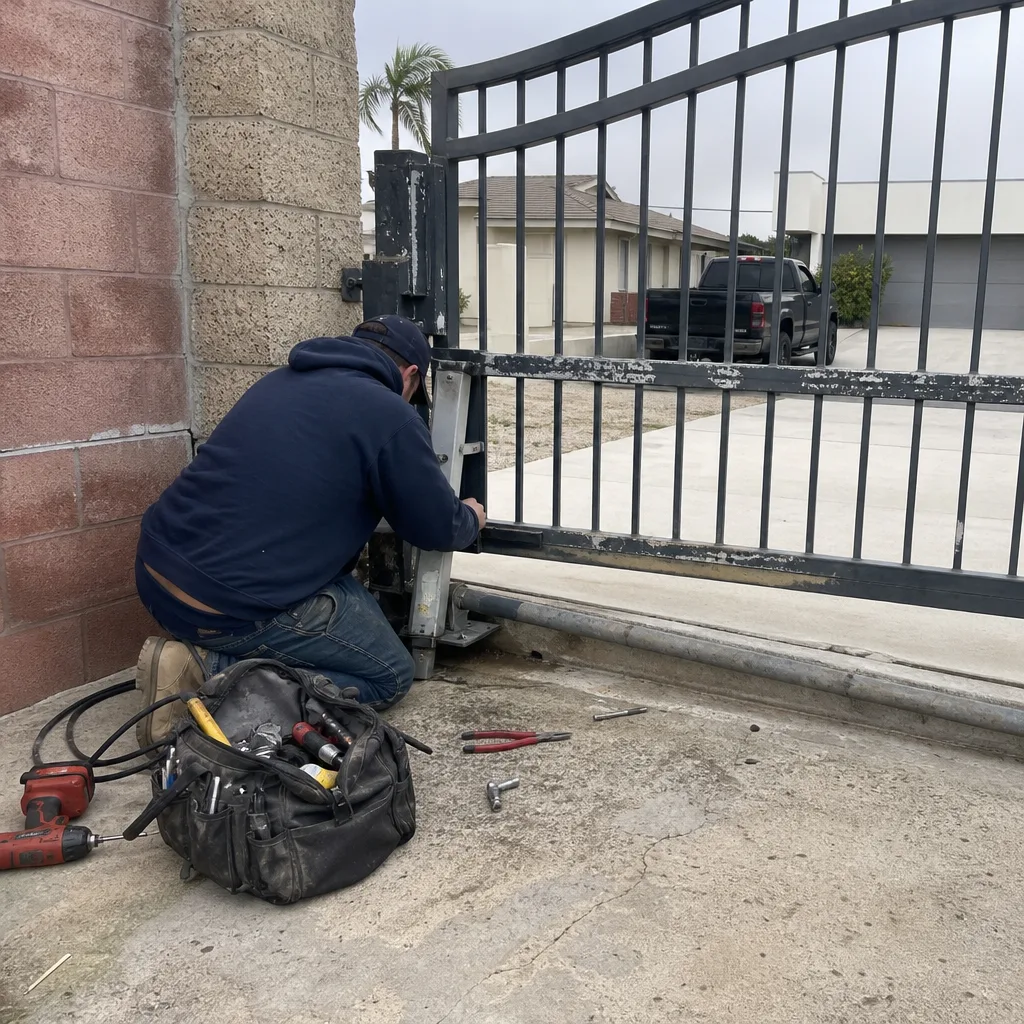 Before
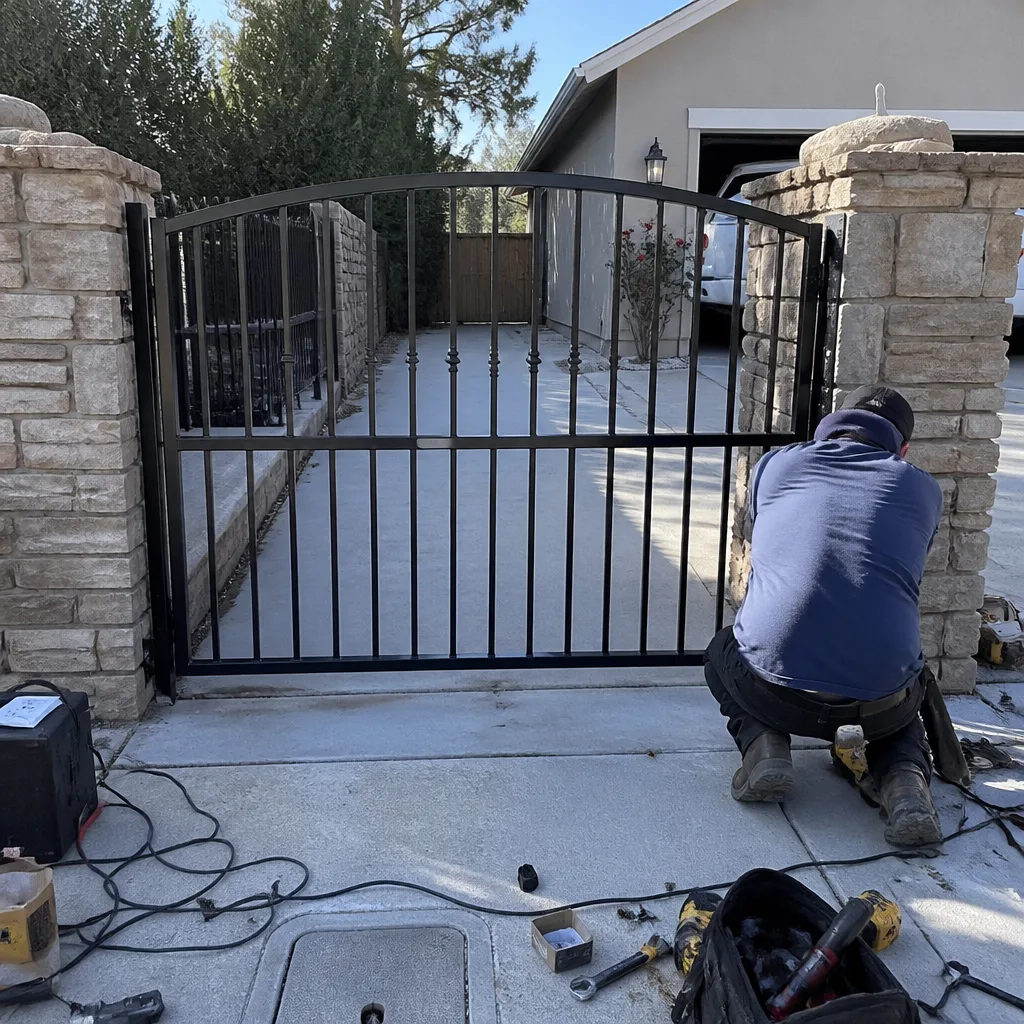 After
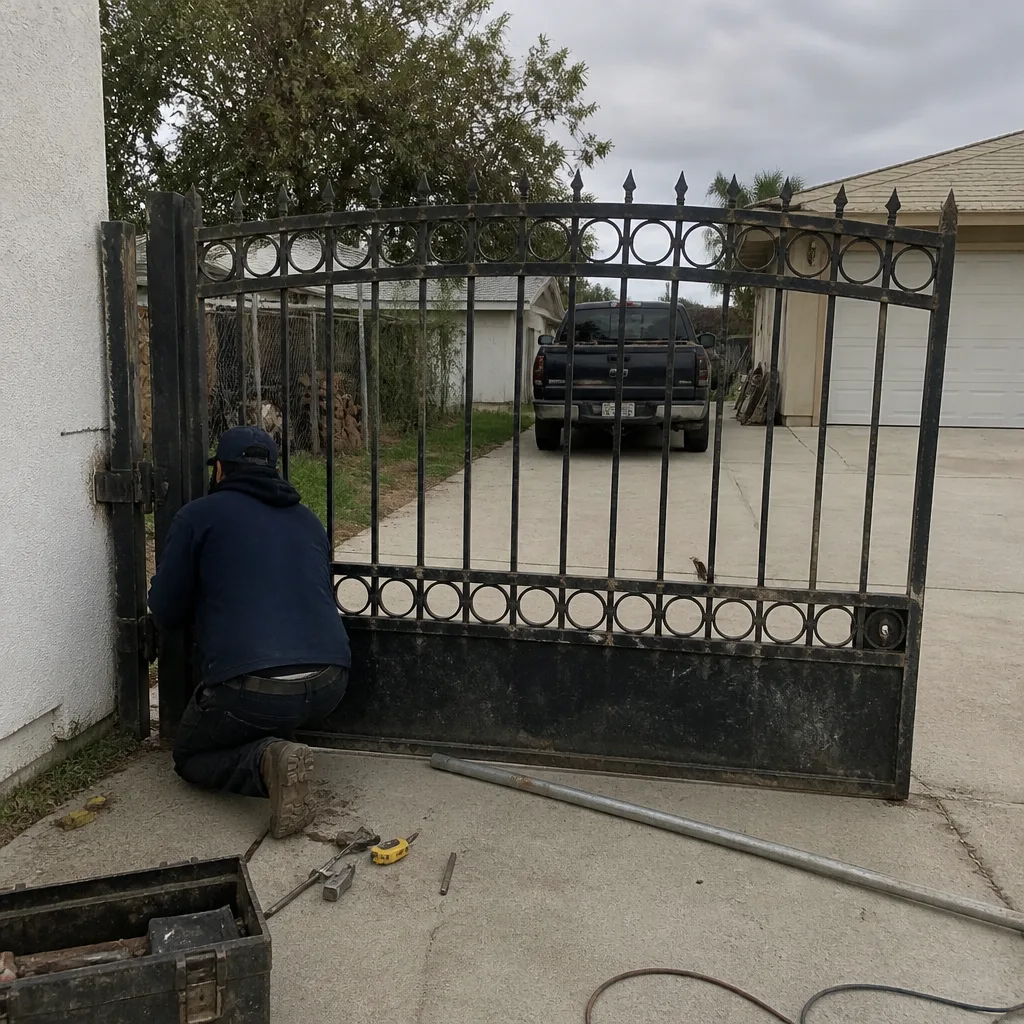 Before
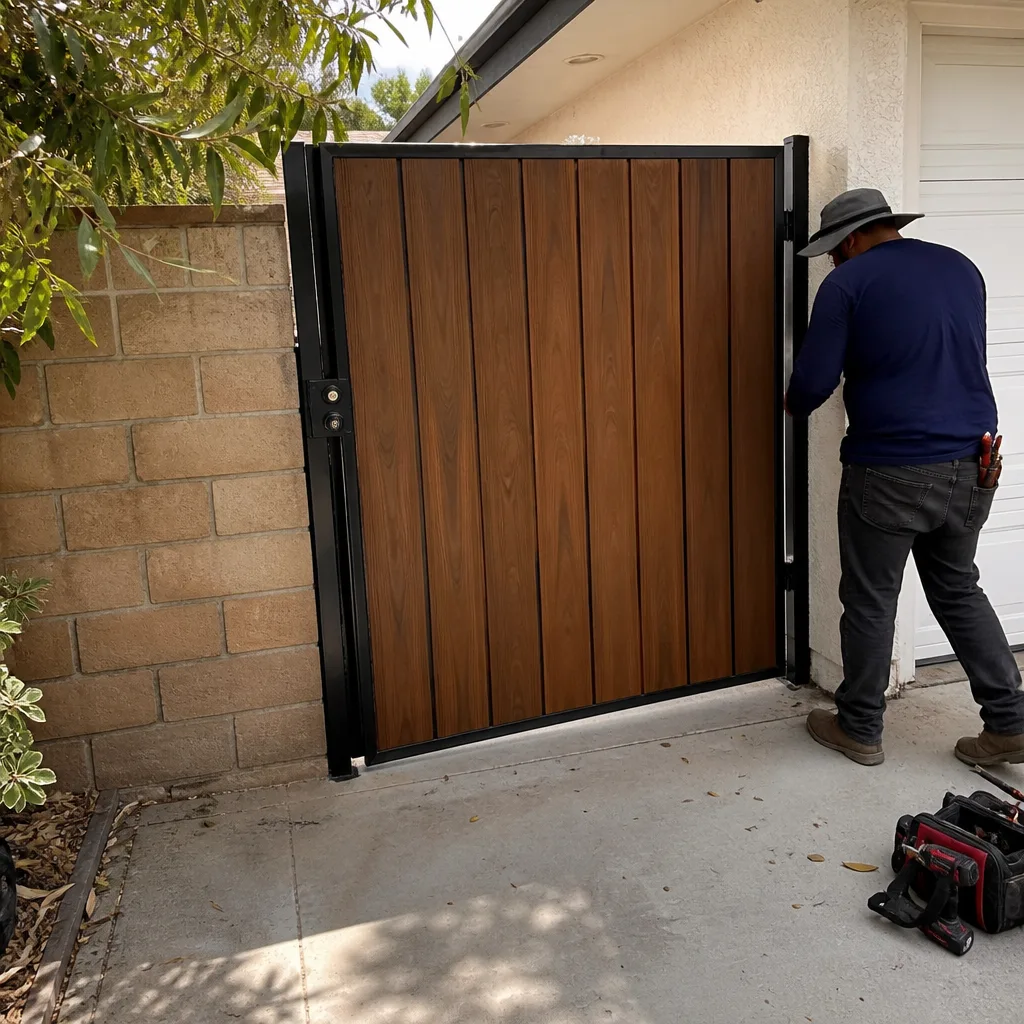 After
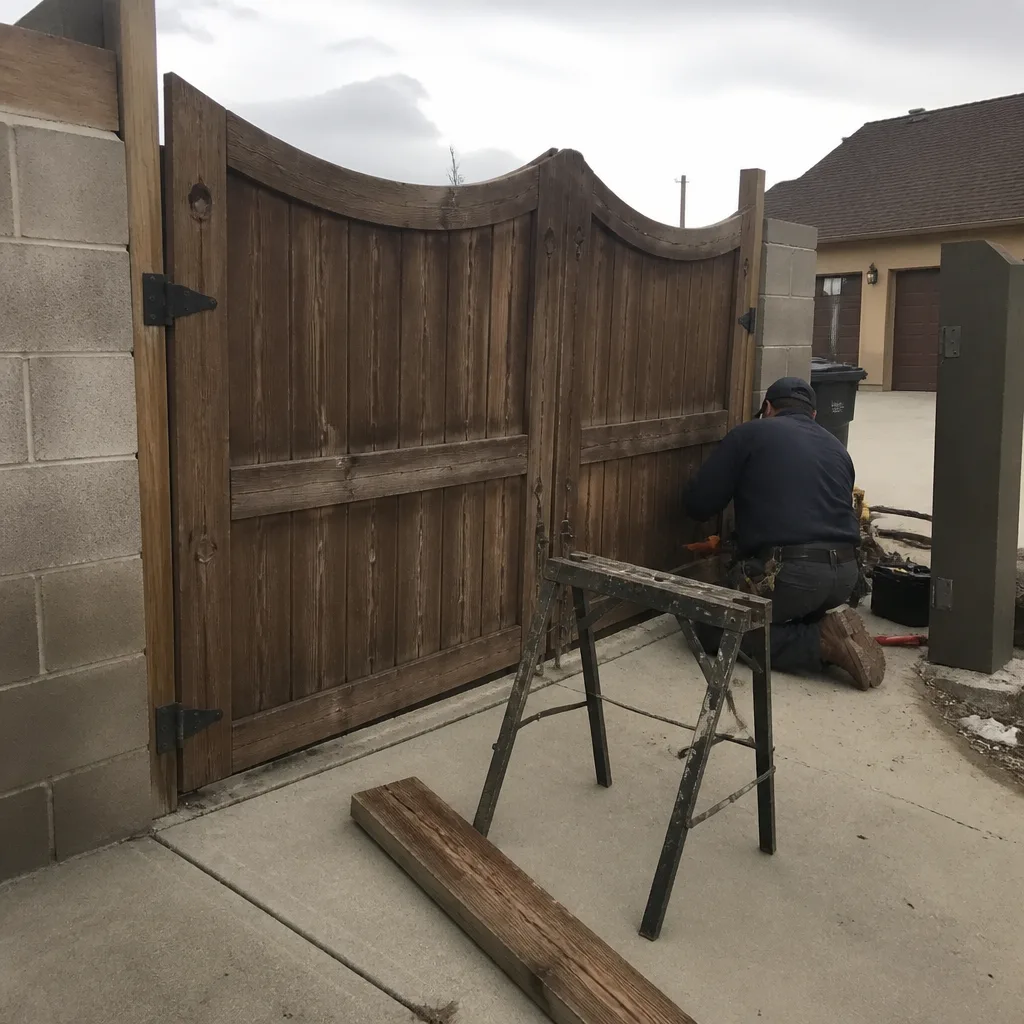 Before
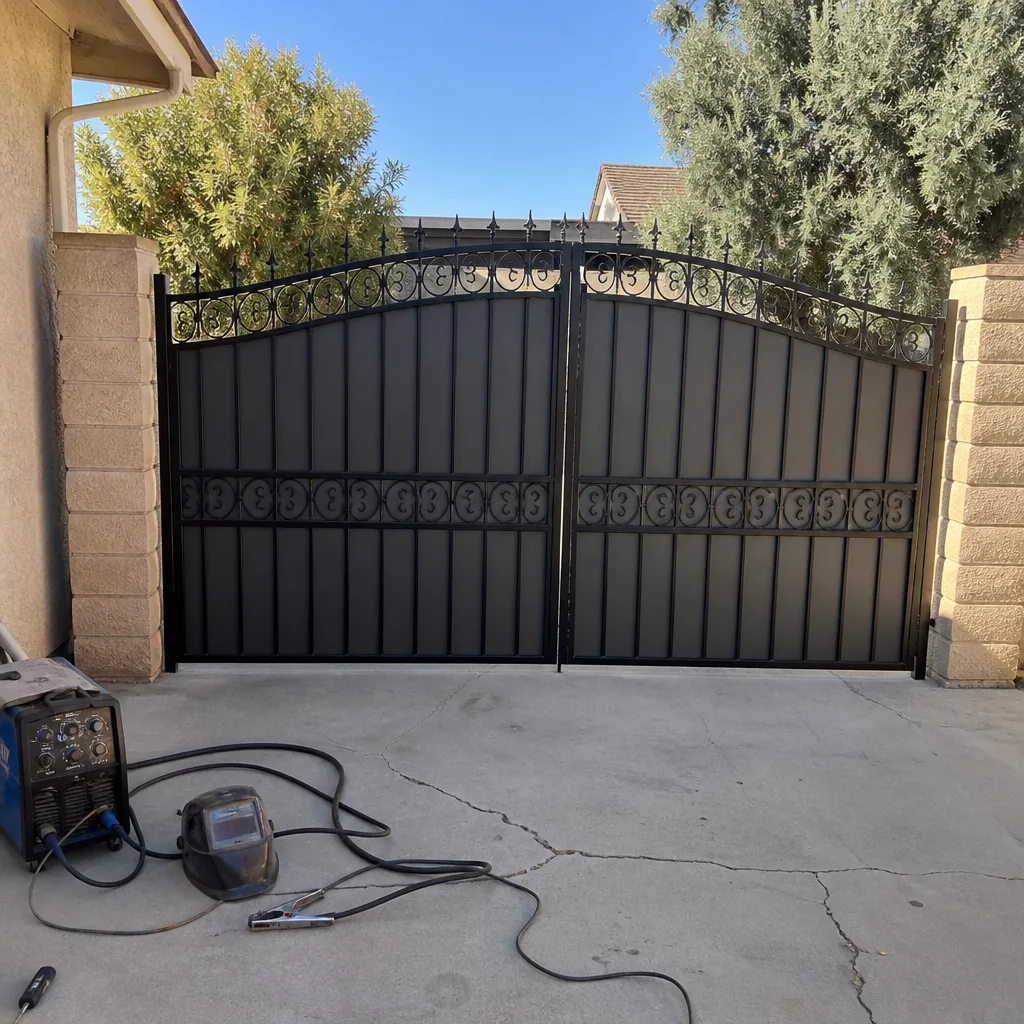 After
When to Call a Professional
Call when the failure is electrical. Call when the gate is automated and you can’t see a physical problem. Call when the gate controls a commercial property, a multi-tenant driveway, or anything higher-traffic than a single-family home. Call when a DIY mechanical fix didn’t work – that’s often a sign the real problem was electrical from the start. And call when you’re not sure. Gate Repair Hemet gives honest assessments over the phone before we ever schedule a visit, so you know whether a service call is even necessary. Serving the Hemet area with factory-familiar work on LiftMaster, FAAC, BFT, Linear, Viking, Ghost Controls, DoorKing, Elite, and Mighty Mule systems. Gate Repair Hemet offers free estimates in Hemet – call (866) 321-6910 for a straight answer on whether your gate is a DIY job or a professional one.
Frequently Asked Questions
Professional gate repair in Hemet typically runs $85 to $150 for a basic service call plus repair labor, with most common repairs landing between $150 and $400 total depending on the part and the gate type. A control board replacement on a DoorKing operator might run $300 to $600, while a manual hinge replacement is usually under $200. Gate Repair in Hemet gives upfront pricing before work begins, so you’ll know the number before you approve anything. Call (866) 321-6910 for an exact quote on your gate.
Yes, replacing a manual gate hinge is within most homeowners’ skill set if the hinge is bolt-on and the post is sound. If the post itself is cracked, shifted, or set in concrete that’s failing, that’s a structural repair that needs a professional. For hinge replacements, gate repair specialists in Hemet are available if you’d rather not deal with the alignment process, but this is one of the few repairs where DIY is genuinely reasonable.
Intermittent gate operation almost always points to a failing safety sensor, a loose wire connection, or a control board that’s starting to fail from heat exposure. Hemet’s summer temperatures accelerate control board degradation, so this is a common complaint. This is an electrical diagnosis, not a mechanical one, and it’s not a DIY repair. Electric Gate Repair in Hemet handles intermittent failures on all major operator brands.
It can. Most Gate and operator manufacturers, including DoorKing, Elite, and Viking, include language in their warranty that voids coverage if the product is “modified, altered, or repaired by any person not authorized” by the manufacturer. Check your operator manual for the words “unauthorized” or “not performed by.” If they appear, any DIY electrical repair voids your remaining coverage. Gate installation professionals in Hemet provide documentation that keeps warranties intact.
In Hemet’s heat, most residential gate operators last 8 to 12 years, with the control board typically failing before the motor. Coastal California units often last longer because they don’t see the same sustained temperatures. Regular maintenance, including keeping the housing clean of dust and checking wire connections before summer, extends that lifespan meaningfully.
A gate repair fixes a specific component – a hinge, a roller, a control board, an operator motor – while a gate replacement removes the existing gate structure and installs new steel. Replacement makes sense when the gate structure itself is rusted through, bent beyond repair, or no longer matches the property’s security needs. Gate Installation in Hemet covers both the assessment and the install, so you don’t get handed between contractors.
The Bottom Line
Your gate has two sides. The mechanical side – hinges, rollers, latches, chain – is yours to fix when you can see the problem and the fix is reversible. The electrical side – operator, control board, sensors, loop detectors – belongs to someone who knows the brand and the circuit. Get the split right and you’ll save money where DIY saves money, and spend money where professionals prevent disaster. Get it wrong and you pay twice: once for the DIY attempt and again for the repair. One call to Gate Repair Hemet settles the question fast – brand-specific knowledge, no guesswork, from the motor to the latch.
Written by the team at Gate Repair Hemet, serving Hemet since 2012.