
Last updated November 2, 2026
 Wrought iron
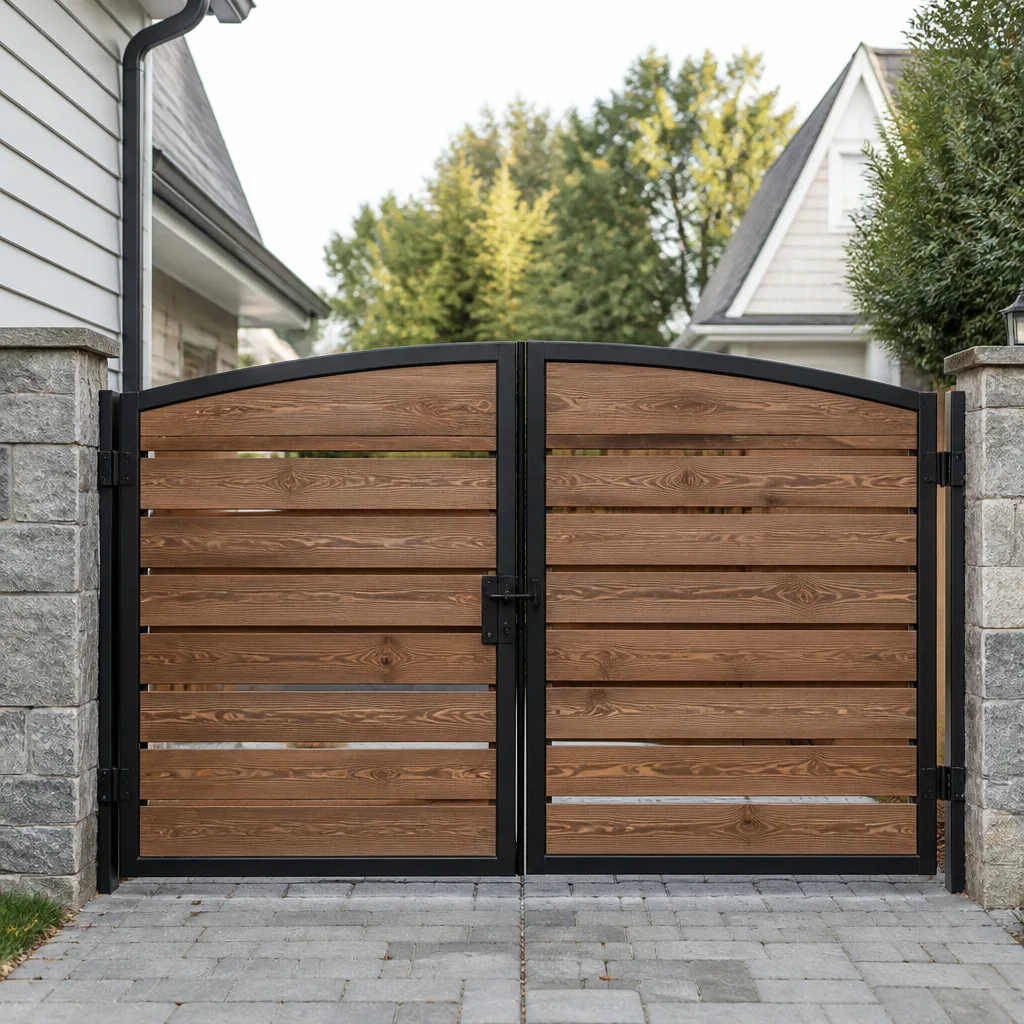 Wood & steel frame
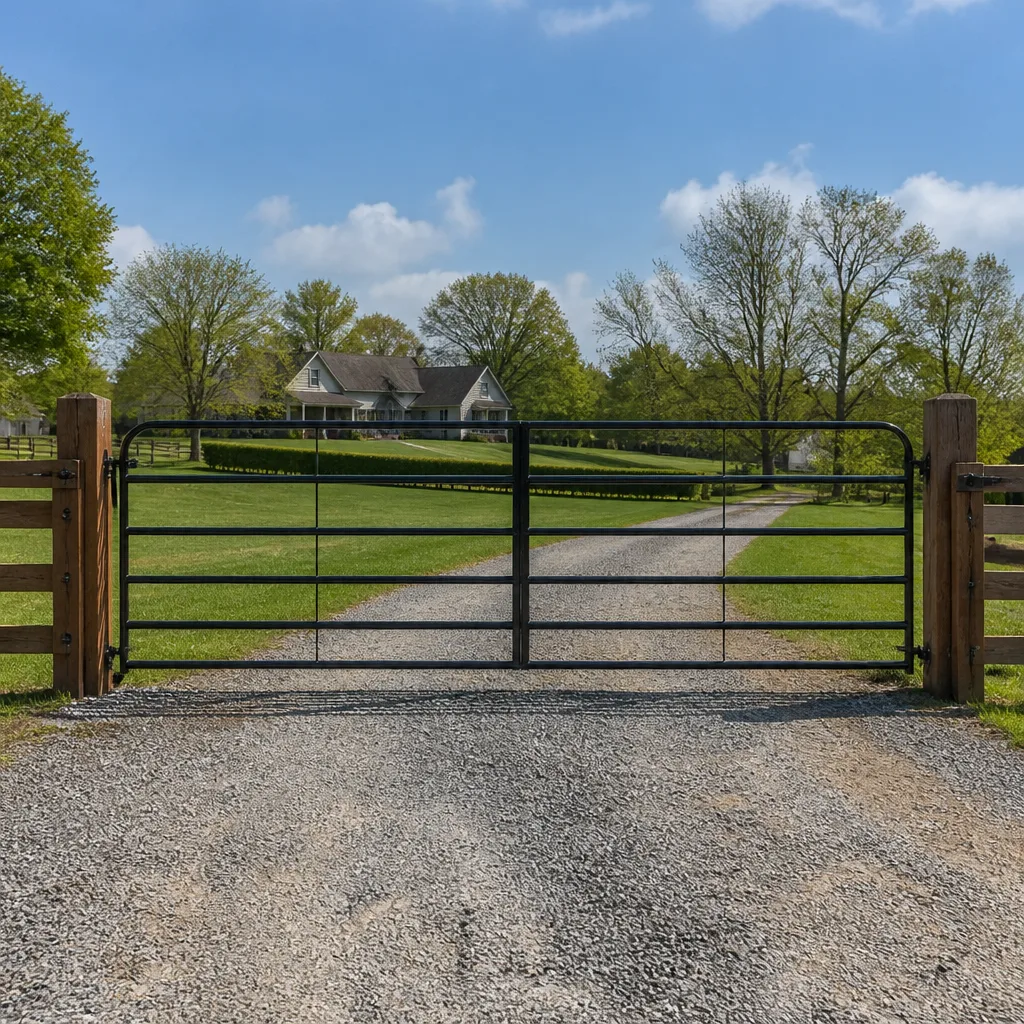 Farm & ranch
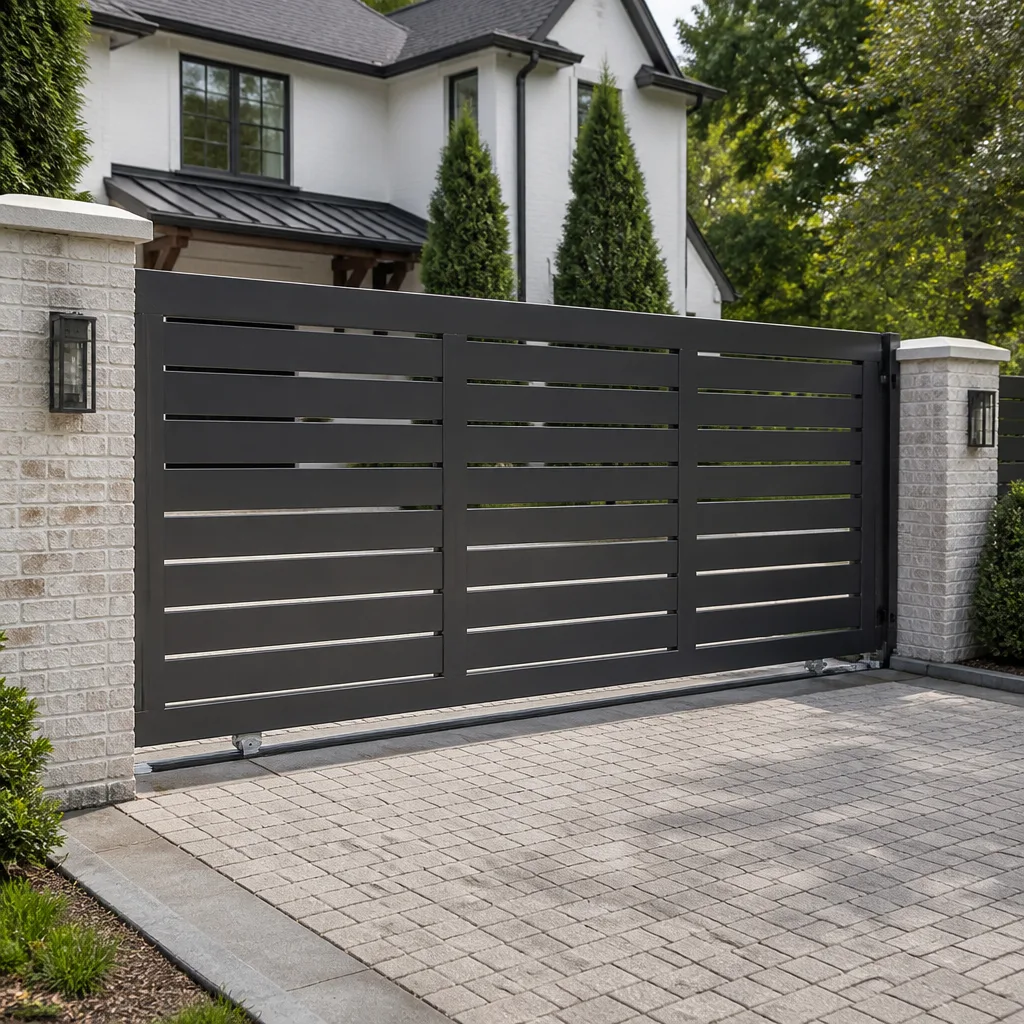 Sliding driveway gates
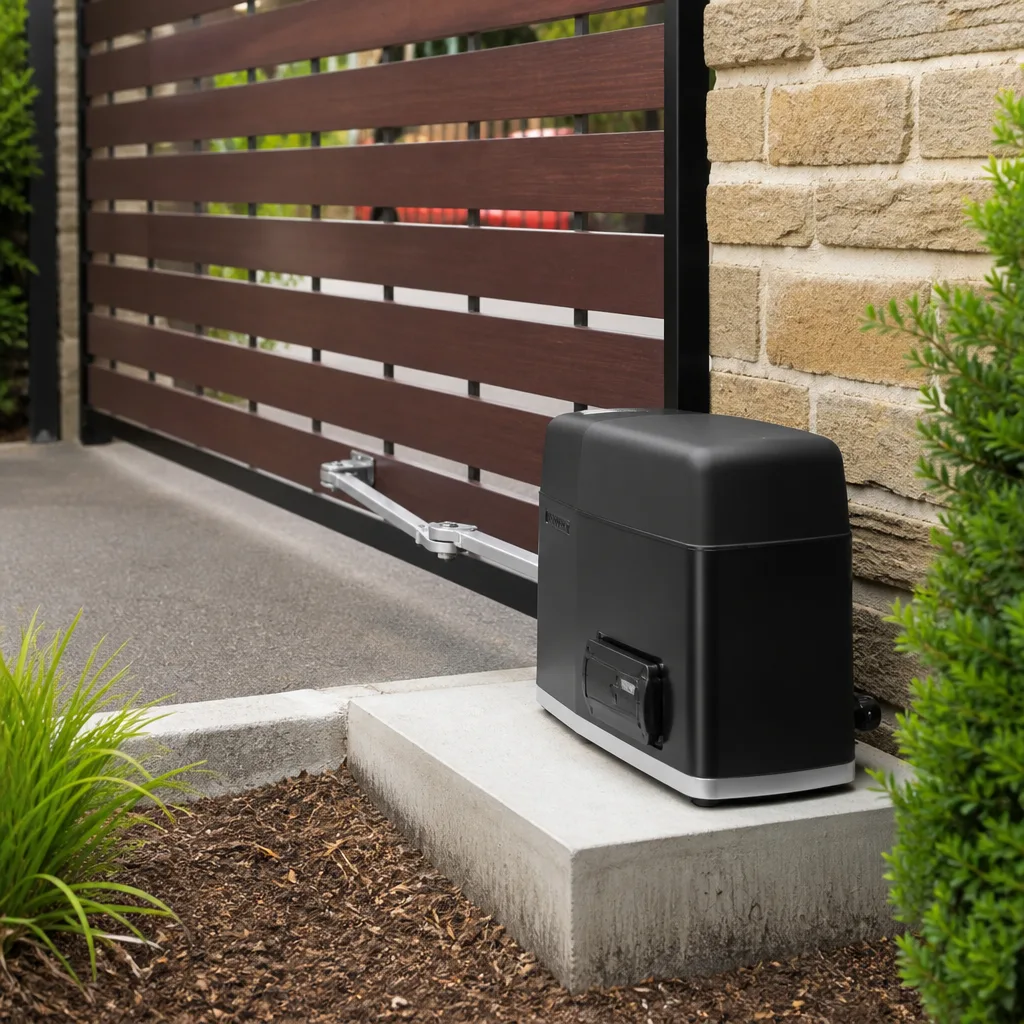 LiftMaster operators
Free on-site gate assessment - hinges, posts, and your LiftMaster or Nice gate operator checked before anything is quoted
The assessment is free and the quote is the invoice.
Get your free estimateGate Repair Warning Signs: A Hemet Homeowner’s Reference Guide
Most gate failures in Hemet give 30 to 90 days of observable warning before they become an emergency. A gate that hesitates for two seconds before moving is not “just getting old” – it’s a motor drawing excess current to overcome a mechanical obstruction, and if that obstruction isn’t identified, the motor will burn out within weeks. The problem is that homeowners don’t know which signs to read. This guide teaches you exactly what to watch for, what each symptom means at the component level, and when a symptom is cosmetic versus structural. By the time you finish reading, you’ll know the difference between a gate that needs a $40 adjustment and one that needs a full operator replacement before it fails at the worst possible moment.
Quick Answer
Your gate is signaling a pending repair if you notice any of these five symptoms: hesitation before movement, unusual sounds during operation (grinding, clicking, or humming), visible sagging or misalignment, rust at hinge or roller contact points, or inconsistent remote/keypad response. In Hemet’s dry heat and hard-water conditions, white mineral deposits on battery terminals and heat blistering on the operator housing are two additional failure predictors most homeowners overlook. If your gate shows two or more signs, schedule an inspection before the failure becomes a full stop.
Styles & brands we work with
- Wrought iron
- Wood & steel frame
- Farm & ranch
- Sliding driveway gates
- LiftMaster operators
Table of Contents
- Why a Hesitating Gate Is Different from a Slow Gate
- What Grinding, Clicking, and Humming Actually Mean
- Rust Patterns That Signal Structural Damage
- How to Test Remote Response Consistency
- Hemet-Specific Failure Predictors
- Swing Gate vs. Slide Gate: Different Warning Signs
- Common Mistakes to Avoid
- When to Call a Professional
- Frequently Asked Questions
Why a Hesitating Gate Is Different from a Slow Gate (And Why It Matters for Repair Cost)
A gate that moves slowly from start to finish is usually fighting mechanical friction. A gate that hesitates – pauses for a moment or two before engaging – is dealing with an electrical or sensor issue. These are two different repair paths, and misreading the symptom leads to paying for parts you don’t need.
The slow gate: Think of it as a hinge problem. Swing gates develop rust and grime in the hinge pins over years, especially in Hemet where dust from the surrounding hills works its way into every joint. Slide gates pick up debris in the track, worn rollers, or a chain that’s lost proper tension. The motor is healthy but working harder than it should. Left unaddressed, a slow gate eventually becomes a stopped gate because the motor’s thermal overload circuit trips or the gearing strips.
The hesitating gate: This is the one that stops, thinks about it, then moves. The delay typically points to one of three things: a control board that’s not sending the start signal cleanly, a battery backup system that’s degraded and causing a voltage drop, or a safety sensor that’s intermittently registering a false obstruction. On LiftMaster and Mighty Mule residential operators, we commonly see this hesitation in units that are 5 to 8 years old where the capacitor on the control board has started to degrade. On higher-cycle FAAC and BFT operators, hesitation often traces to a loop detector that’s picking up interference.
Here’s the actionable distinction: if your gate is slow but consistent, schedule a mechanical inspection. If it hesitates inconsistently – sometimes normal, sometimes with a pause – treat that as an electrical warning. The delay is your window. Call a Gate Repair in Hemet specialist who can diagnose which system is failing before the motor takes damage it can’t recover from.
What Grinding, Clicking, and Humming Actually Mean
Sounds are the earliest and most specific warning system your gate has. Each noise points to a different component.
Grinding (Metallic-on-Metallic Scraping)
On a slide gate, grinding usually means the rollers have lost their bearings or the track has worn to bare metal. In Hemet’s dry climate, roller bearings dry out faster than in coastal areas because there’s no ambient humidity to keep grease from evaporating. On a swing gate, grinding at the hinge means the pin and knuckle are scoring each other. If the grinding has a rhythm – like one hard spot per revolution – that’s a flat-spotted roller or an out-of-round hinge pin. This is mechanical damage that compounds quickly. Every cycle scrapes more metal away.
Clicking (Rapid, Repetitive, During Start or Stop)
A rapid clicking when the gate tries to start is the sound of the motor’s start capacitor failing, or in some designs, the limit switch trying to communicate position and not finding it. On Mighty Mule and Ghost Controls swing operators, a series of clicks followed by no movement is often the armature or actuator struggling against a jammed gearbox. If the gate clicks once and then moves normally, that’s typically a relay on the control board – normal on some models. If it clicks repeatedly and the gate doesn’t move, stop using the gate and unplug the operator to prevent motor burnout.
Humming (Continuous, Low, Without Movement)
A gate operator that hums but doesn’t move is telling you the motor is getting power but the drive mechanism is locked. On slide gates, this is often a seized drive sprocket or a chain that’s jumped and jammed. On swing gates, it’s commonly a stripped worm gear inside the operator arm. The danger with humming is that the motor continues to draw current while stalled. That heat builds up fast. We’ve seen Hemet operators in the summer where a stalled motor reached temperatures that melted internal wire insulation in under a minute. If you hear humming, cut power to the operator immediately and call for service.
Rust Patterns: Active Structural Degradation vs. Cosmetic Surface Oxidation
Not all rust is a repair concern. Knowing which kind you’re looking at saves you from unnecessary anxiety and unnecessary parts replacement.
Cosmetic surface oxidation is a uniform, light orange-brown discoloration spread across flat surfaces. It sits on top of the metal. In Hemet’s low-humidity environment, this kind of rust progresses slowly and can often be addressed with a wire brush, rust converter, and repainting. It’s worth cleaning because it creates a rough surface that holds dust, but it doesn’t threaten the gate’s function.
Active structural degradation looks different. It’s localized, darker, and often surrounds contact points: hinge pins, roller axles, bolt heads, and the bottom rail of the gate frame. Look for these specific patterns:
- Flaking or scaling at hinge joints – rust that’s eaten into the pin or the surrounding metal. This weakens the hinge and creates play, which accelerates wear.
- Rust staining that drips or streaks – evidence that moisture is moving through the structure, not just sitting on the surface.
- Bubbling under paint or powder coating – trapped corrosion that’s progressing underneath the finish. That bubble is a pocket of rust, not just a paint defect.
- Rust at the weld points – welds are often the first place structural failure begins because the welding process changes the metal’s composition at those joints.
Here’s the rule of thumb: if you can wipe the rust off with a rag and the metal underneath is smooth, it’s cosmetic. If the rust has depth – pitting you can feel with a fingernail – or surrounds a load-bearing connection, that’s structural and it needs a welder’s attention before the gate fails.
How to Test Remote Response Consistency (A 7-Day Protocol)
Your remote is the most-used component of your gate system and the one most likely to degrade gradually without you noticing. A remote that works “most of the time” is giving you a warning about the receiver, the control board, or the remote itself. Here’s a testing protocol that will tell you which one is failing:
- Stand at your normal activation distance. Press the remote once. Count the response time. It should be under one second. Write it down.
- Repeat this 10 times over 3 days, at different times of day. Morning, midday, late evening. Temperature changes affect component performance.
- Note any “dead press” – a press where nothing happens and you have to press again. Anything more than 1 in 10 is a warning sign.
- Test from inside your vehicle at the same distance. Metal and glass can attenuate the signal. If response is noticeably worse from inside the car, the remote’s battery may be weak or the receiver’s antenna is degraded.
- If you have a second remote, run the same test. If both remotes fail equally, the problem is on the receiver side. If one fails and one works, it’s the remote.
- Check response after a hot afternoon. In Hemet’s summer, control board components can heat up and perform differently. A receiver that only fails when hot is telling you about a component nearing end of life.
- Document it. A simple note like “Tuesday: worked 9/10, Wednesday: worked 6/10, two dead presses from car” gives a technician a head start when you call.
What this test reveals: receiver boards fail gradually on most brands. A LiftMaster receiver might start dropping every fifth signal before it fails completely. A FAAC or BFT operator’s onboard receiver can develop the same pattern. Knowing which side of the system is failing – remote, receiver, or board – means the technician arrives with the right part on the first visit instead of guessing.
See the difference
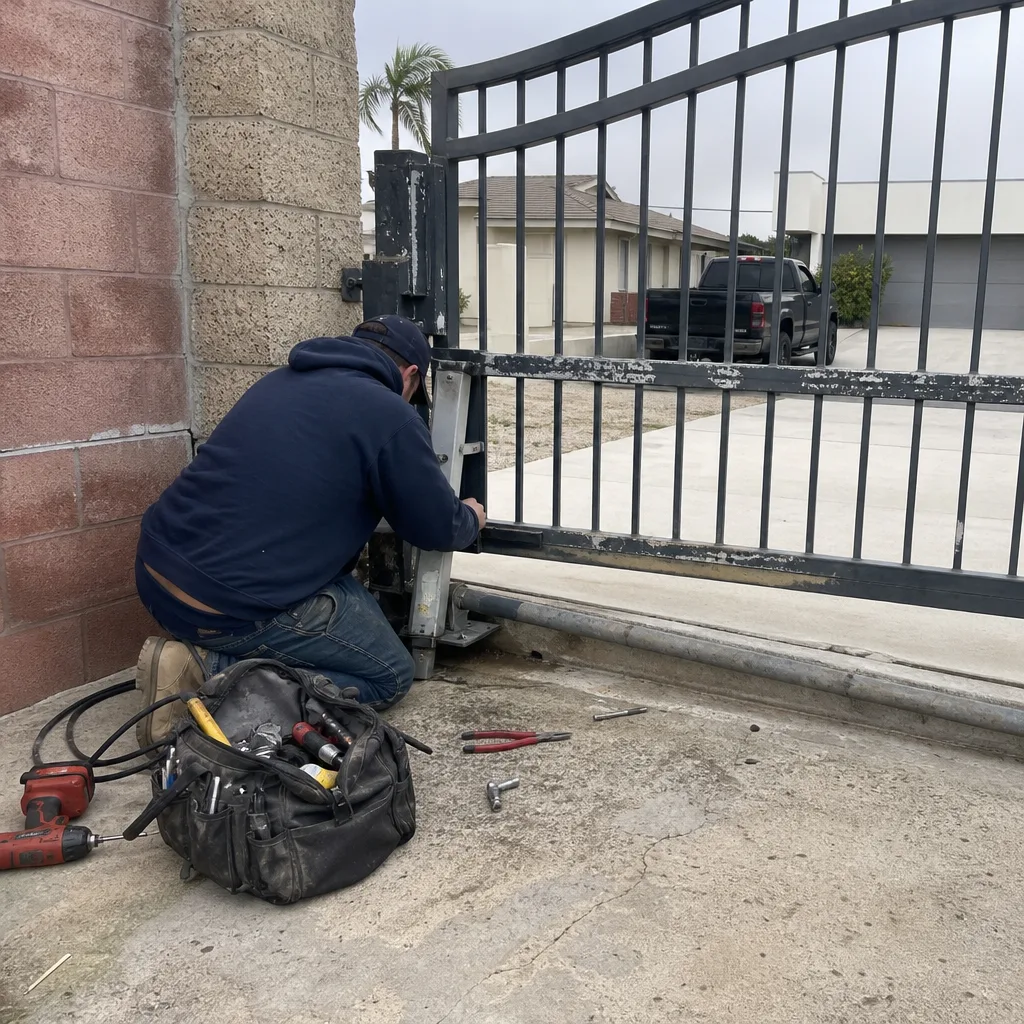 Before
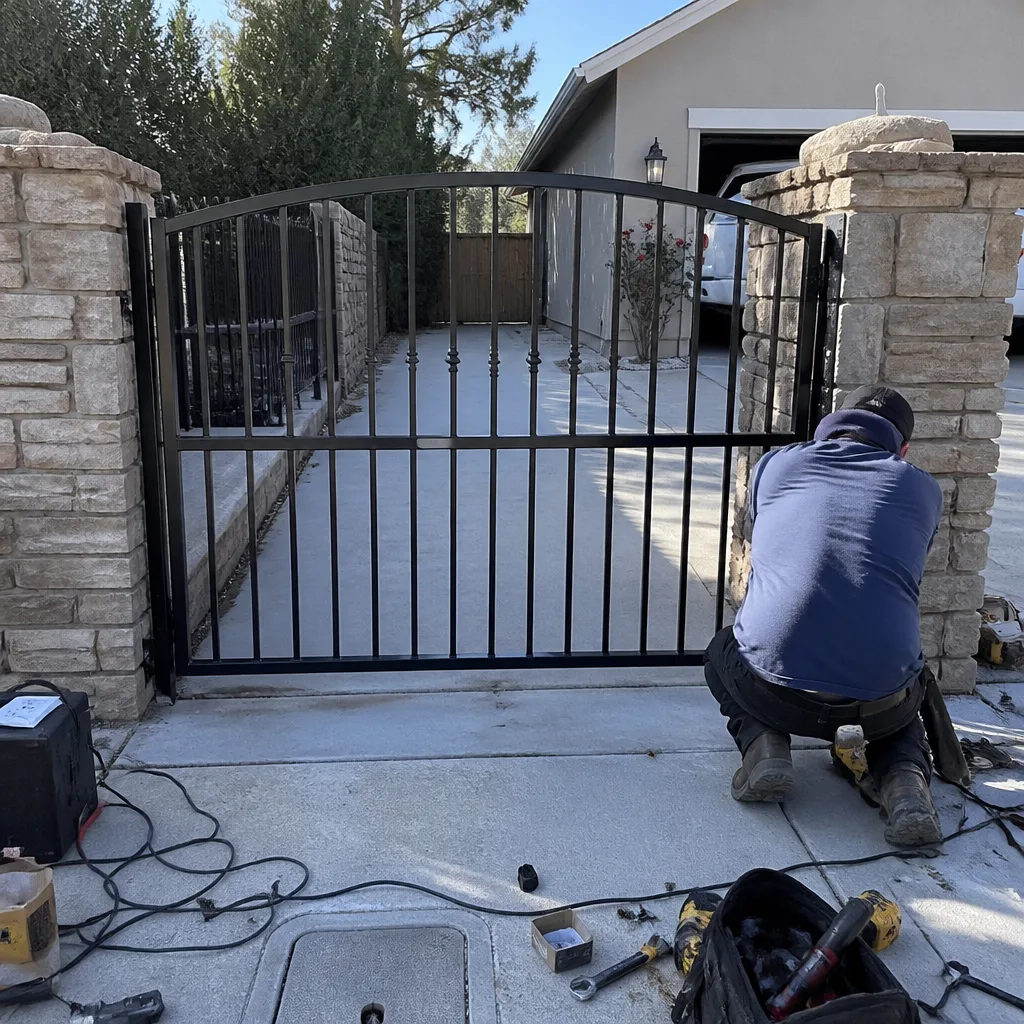 After
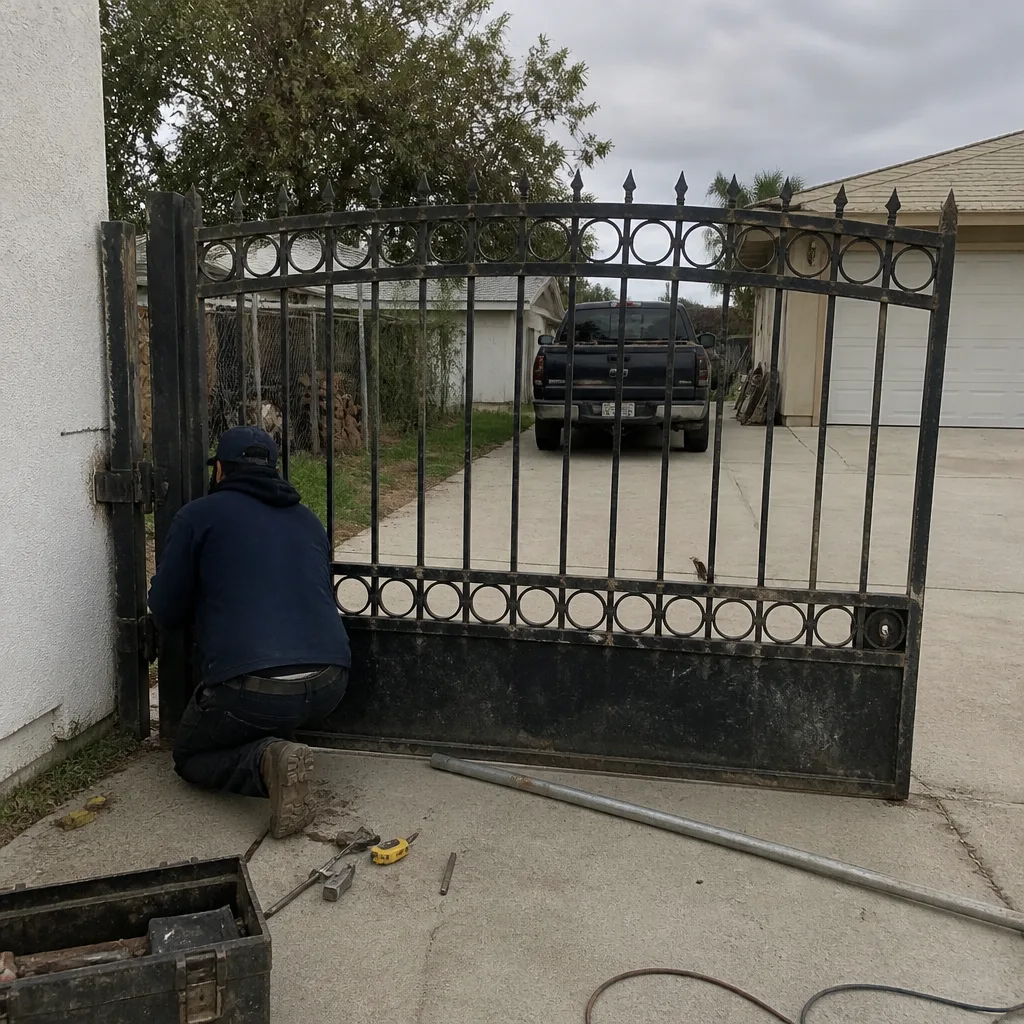 Before
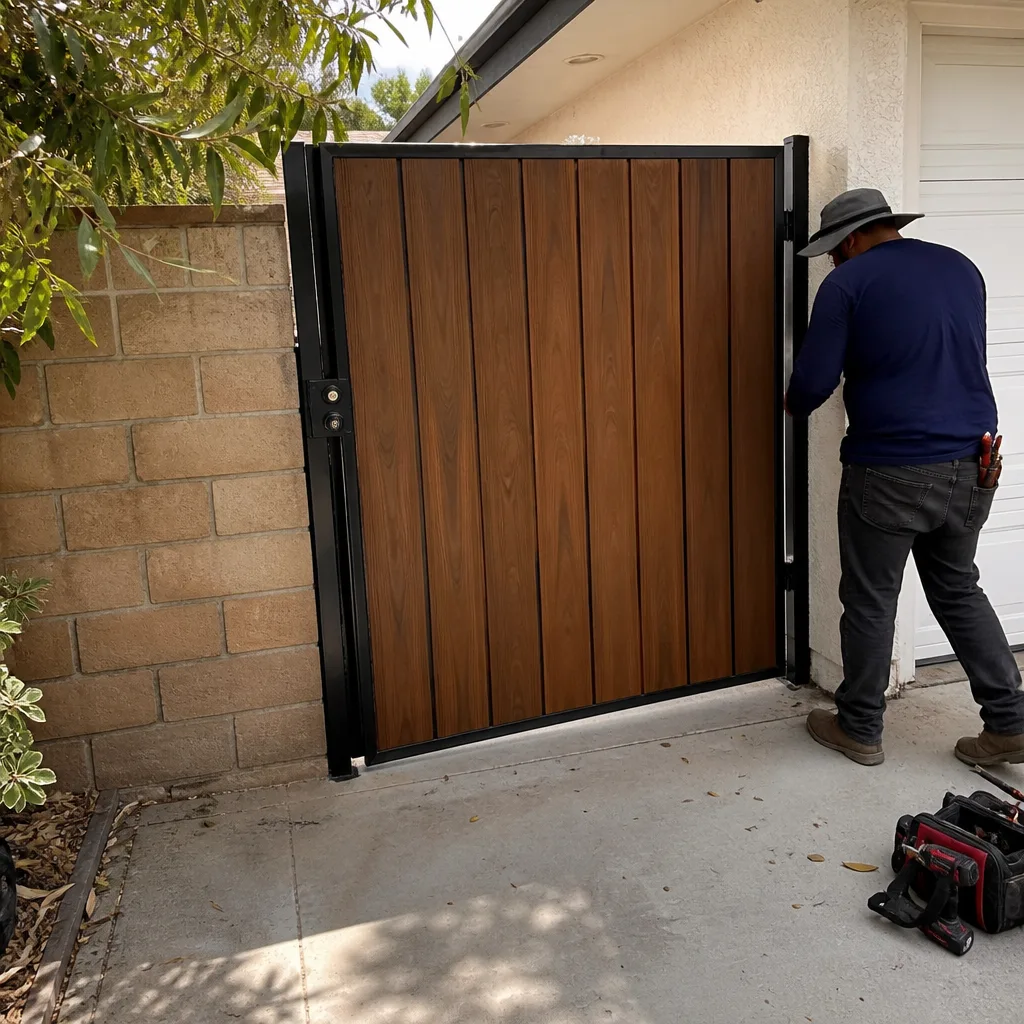 After
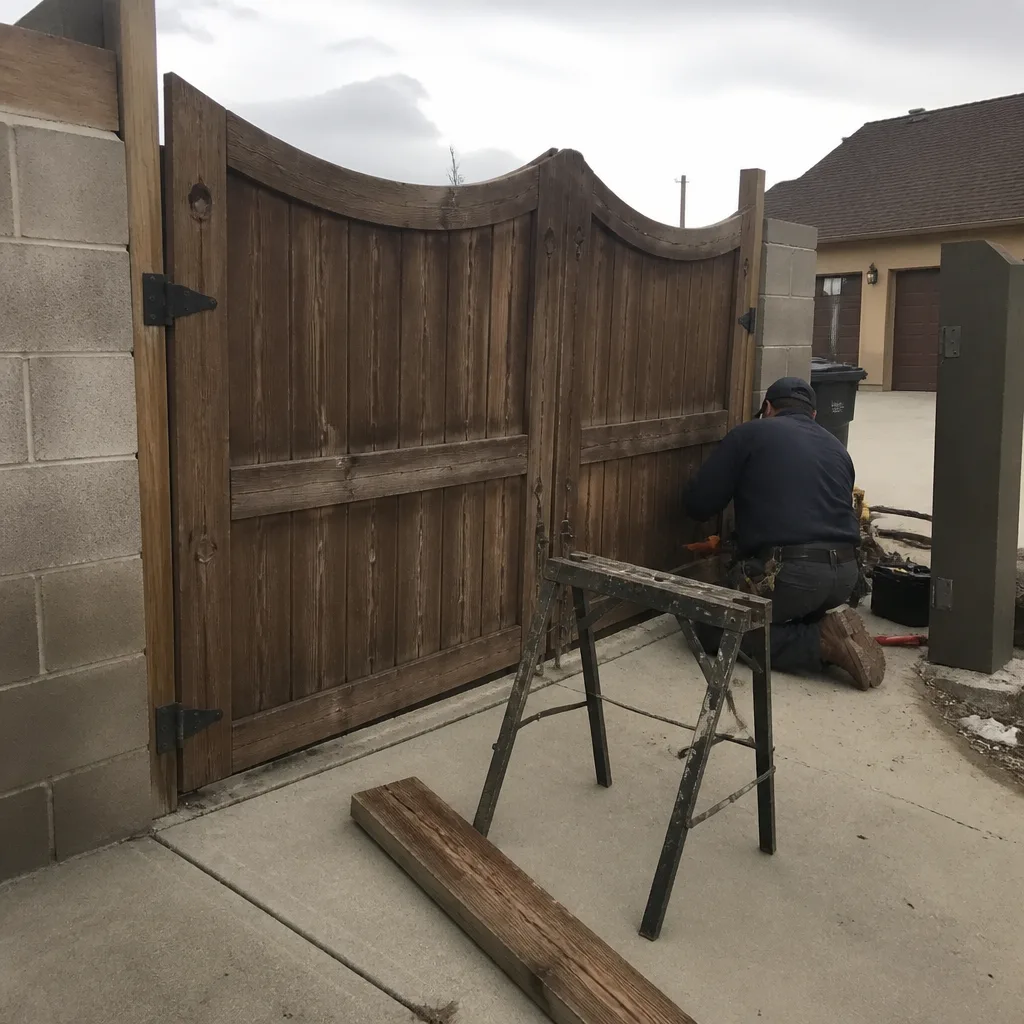 Before
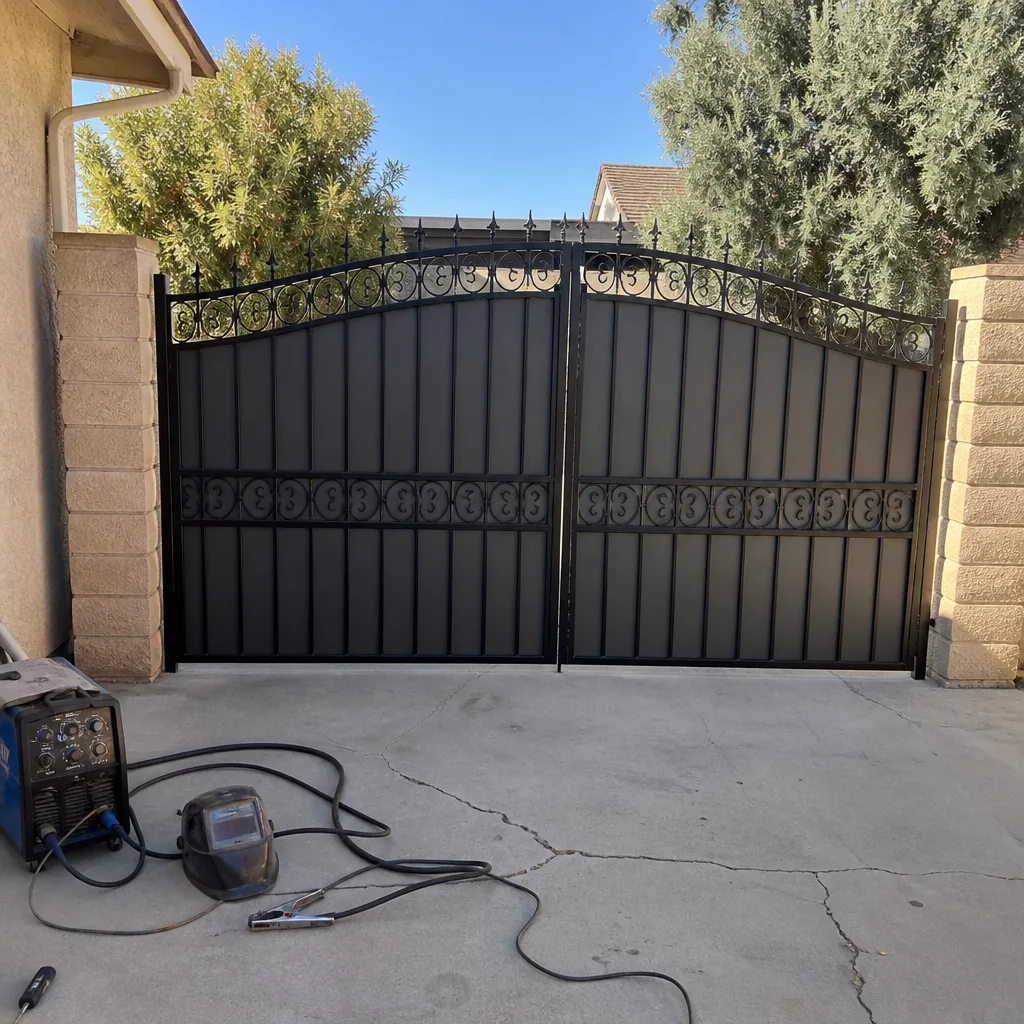 After
Hemet-Specific Failure Predictors Most Guides Overlook
Gate failure has a fingerprint specific to where the gate lives. Hemet’s climate – triple-digit summer days, cold desert nights, hard water, and fine dust – creates failure signatures you won’t find in a generic gate repair guide.
White Mineral Deposits on Battery Terminals
If your gate has a battery backup – common on systems where a power outage leaves the driveway blocked – check the battery terminals twice a year. Hemet’s water is hard, and when batteries charge and discharge, minute amounts of electrolyte vapor condense on the terminals. The minerals in that vapor leave white, crusty deposits, technically called sulfation. This buildup increases electrical resistance at the terminal connection, which means the battery can’t deliver full voltage when the operator calls for power. Your gate might work fine on AC power but fail to operate – or operate sluggishly – when running on battery. Cleaning this corrosion with a wire brush and applying a protective terminal spray is a 10-minute task that prevents a gate that dies during Hemet’s summer monsoon-season power flickers.
Heat Blistering on Operator Housing
Hemet regularly hits 105°F and above in July and August. Your operator housing – the box that contains the motor and control board – absorbs solar radiation and can reach internal temperatures 30 to 40 degrees above ambient. If you notice paint bubbling, peeling, or discoloration on the housing, especially on the side that faces afternoon sun, that’s not just cosmetic. That housing is telling you the internal components are cooking. Control board capacitors, relay contacts, and wire insulation all degrade faster at elevated temperatures. A sun-baked operator in Hemet that’s not shaded typically has a lifespan 3 to 5 years shorter than the same unit installed under an awning or on a shaded north-facing wall. If you see heat blistering, consider installing a shade screen over the operator and have the internal components checked for heat fatigue.
Swing Gate vs. Slide Gate: Different Warning Signs
The two gate types fail differently because they stress different components. Knowing which type you have changes what you watch for.
For Swing Gates
- Drooping or dragging at the latch end – hinge pin wear or post settling. The gate’s weight is no longer distributed evenly.
- The gate stops before fully opening or closing – limit switch drift, more common on older electromechanical operators.
- Wind sensitivity – a swing gate that starts and stops erratically on windy days has a motor that’s undersized or a leaf that’s catching too much wind. Hemet’s afternoon winds make this more visible than in sheltered areas.
- The gate bounces when it reaches the open or closed stop – the mechanical stop is loose or the operator’s internal clutch is slipping.
For Slide Gates
- The gate shudders or vibrates as it travels – misaligned track, worn rollers, or debris packed into the track that creates uneven resistance.
- Screeching or squealing from the track area – dry roller bearings. In Hemet’s dust, rollers need lubrication more often than manufacturers’ recommended intervals suggest.
- The gate bounces back when it hits the closing limit – improper limit setting or a failing brake on the operator.
- The gate is crooked at rest – one roller set has worn more than the other, or a wheel has slipped off the track’s guide rail.
For both types, the single most reliable early warning is a change in sound. Your gate has a “normal” operating sound. When it stops sounding normal, something is changing at the component level.
Common Mistakes to Avoid
- Lubricating a sounding gate without first identifying the problem. Adding grease to a hinge that’s already scored and pitted just creates a thick paste that accelerates wear. Clean, inspect, then lubricate.
- Ignoring a gate that’s slightly misaligned because it still opens. Misalignment is a progressive condition. A gate scraping by half an inch today is dragging hard enough to damage the operator’s gearbox within a season.
- Replacing the remote when the receiver is the failure. We regularly see Hemet homeowners buy two or three new remotes before discovering the control board’s receiver module is dead. The remote test in this guide prevents that.
- Disabling a safety sensor that’s triggering falsely. The sensor is typically doing its job – it’s detecting something real, or it’s misaligned. Bypassing it creates a safety hazard for kids and pets.
- Waiting for total failure before seeking help. Every symptom listed in this guide is cheaper to address before the gate stops entirely. A motor replacement always costs more than the repair that would have prevented it.
- Assuming the gate installer in the neighborhood handles all brands equally. A technician unfamiliar with your specific operator – whether it’s Mighty Mule, LiftMaster, FAAC, or BFT – may misdiagnose a brand-specific fault. Ask before they show up.
When to Call a Professional
Some gate issues are simple enough for a homeowner to resolve – cleaning track debris, tightening an obviously loose bolt, replacing a remote battery. The signs in this guide are different. They indicate wear at the component level, and the safe repair path is an experienced technician. Call a professional when you hear grinding or humming that persists after you’ve cleaned the track or hinges, when your gate hesitates inconsistently, when rust penetrates below the surface at any load-bearing point, or when your remote response test shows failure on the receiver side. Electrical gate components carry real voltage and safety sensors exist for a reason – these aren’t DIY systems. Gate Repair Hemet offers free estimates in Hemet – call (866) 321-6910 for a professional evaluation before a warning sign becomes a full failure.
Frequently Asked Questions
Minor mechanical adjustments and track cleanings in Hemet typically run $125 to $250. Operator motor replacements range $400 to $900 depending on brand – Mighty Mule and Ghost Controls residential motors sit at the lower end, while FAAC and BFT operators trend higher due to duty-cycle ratings. Control board replacements run $250 to $600. These are real numbers from the Hemet market, but every job is different. Call (866) 321-6910 for an exact quote – estimates are free.
If your gate opens normally but won’t close, the problem is almost always a safety sensor – often a photo eye that’s dirty, misaligned, or detecting an obstruction. It can also be a limit switch that’s stuck in the open position. On LiftMaster and FAAC operators, a blinking diagnostic light on the control board will tell you exactly which zone triggered. Clean the photo eye lenses and check for anything in the gate’s path before calling for service.
In Hemet’s heat and dust, a well-maintained residential operator should last 8 to 12 years. Units exposed to direct afternoon sun without shade can fail in 5 to 7 years. The single biggest factor is whether the operator was sized correctly for the gate’s weight and wind load. A properly sized and maintained Electric Gate Repair in Hemet system that gets annual maintenance will outlast an oversized gate on an undersized motor by years.
Repair scheduling depends on the specific failure and parts availability. Hemet is our service area, and many mechanical repairs – hinge adjustments, track cleanings, roller replacements – can be completed the day we arrive. Electrical faults requiring brand-specific control boards or motors may require part ordering, especially for FAAC and BFT units that aren’t stock items at local supply houses. We diagnose on the first visit and tell you an honest timeline before any work starts.
Do you handle Gate Installation in Hemet as well as repairs?
Yes. We handle the complete gate lifecycle – repair, electric conversion, and full new installation. If your gate has reached the point where repair isn’t cost-effective, we quote the replacement on-site and manage the project from assessment through completion. You’re not handed off to another contractor mid-project.
Twice a year, clean the track or hinge area, inspect for rust, lubricate moving parts with a dry silicone spray (avoid heavy grease that collects dust), and test the remote response consistency. Check battery backup terminals for white mineral buildup in the spring and fall. A 30-minute seasonal check prevents most of the failures we see on emergency calls. If you’d rather not do it yourself, ask about a maintenance schedule when you call.
The Bottom Line
Your gate talks to you for one to three months before it fails. It hesitates, it grinds, it clicks, it hums, its remote works less often, or it shows rust patterns that signal structural weakness. None of these signs are random, and none are “just old age.” Each one points to a specific component that’s wearing out. Read them early and you’re paying for a minor repair. Ignore them and you’re paying for a motor replacement or a full operator install. If you notice two or more of the symptoms in this guide, call (866) 321-6910 – a free estimate from Gate Repair Hemet home costs nothing and tells you exactly where your gate stands.
Written by the team at Gate Repair Hemet, serving Hemet since 2012.